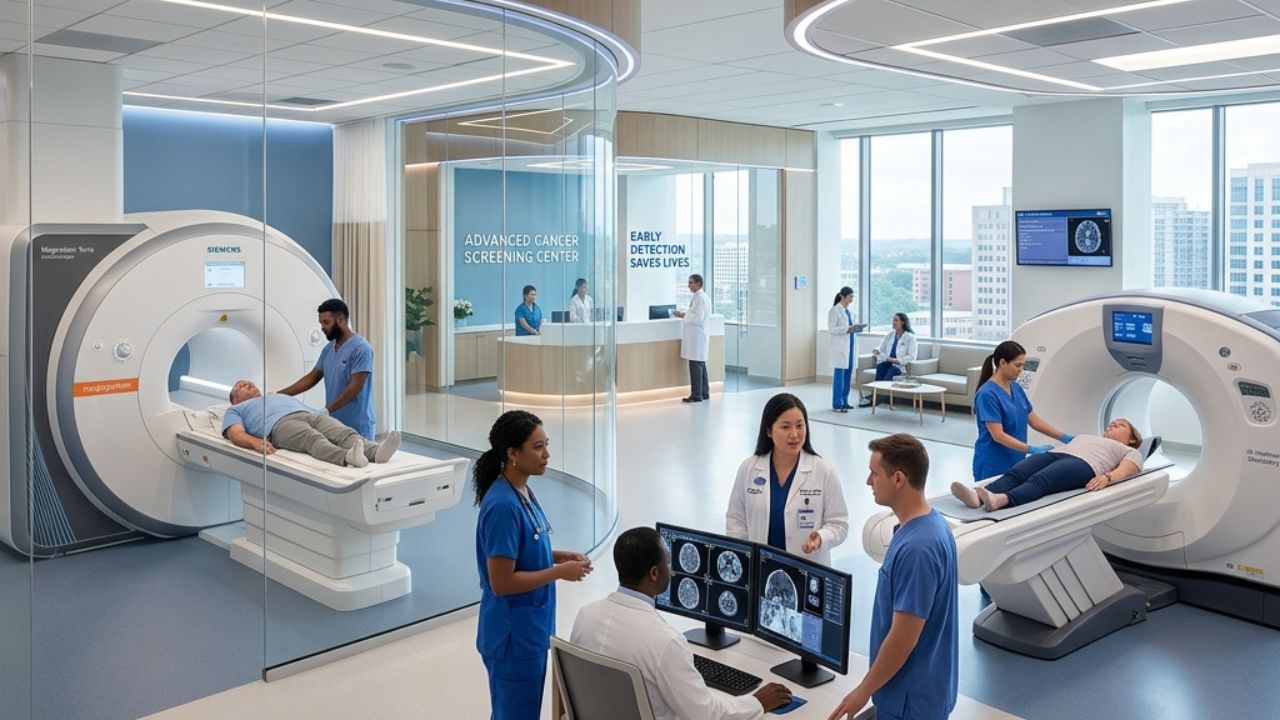
The leading hospitals for advanced cancer screening in the United States include MD Anderson Cancer Center in Texas, Memorial Sloan Kettering Cancer Center in New York, Mayo Clinic in Minnesota, and other nationally recognized medical institutions. These hospitals are at the forefront of early cancer detection by using advanced technologies such as liquid biopsy testing, precision imaging, artificial intelligence-assisted diagnostics, and genetic risk assessments to identify cancer before it progresses.
Early detection remains one of the most important factors in improving cancer outcomes. When cancer is discovered at an earlier stage, patients often have access to more treatment options and better chances of successful recovery. Traditional screening methods, including mammograms, colonoscopies, and routine imaging tests, continue to play an essential role in preventive healthcare. However, modern medicine has expanded beyond these conventional approaches with advanced tools designed to identify cancer-related changes much earlier.
Today’s advanced cancer screening programs combine technology, genetics, and personalized medicine to provide a deeper understanding of an individual’s cancer risk. Techniques such as genomic sequencing, circulating tumor DNA analysis, and advanced imaging allow specialists to detect warning signs that may not yet appear through standard examinations. These services are especially valuable for people with inherited cancer risks, strong family histories, or those seeking a more comprehensive approach to preventive healthcare.
This guide explores the top hospitals in the USA offering advanced cancer screening services. It explains what makes these medical centers stand out, the technologies they use, how different regions compare, and what patients can expect when choosing a leading facility for proactive cancer prevention and early detection.
What makes a hospital a leader in advanced cancer screening?
Finding the best cancer screening hospitals requires more than looking at rankings or the number of procedures performed. The most respected cancer centers share several important qualities, including investment in medical innovation, collaboration between different specialties, strong research programs, and proven success in improving patient outcomes.
Commitment to advanced technology and medical innovation
Leading cancer hospitals continuously invest in advanced diagnostic equipment and research-driven technologies. Many of these institutions use next-generation sequencing platforms that analyze a patient’s genetic information to identify mutations connected to different cancer types.
Advanced imaging technology is another major advantage of top cancer centers. Facilities equipped with high-resolution PET/CT scanners, advanced MRI systems, and specialized imaging tools can identify smaller abnormalities that may be difficult to detect through traditional methods.
Artificial intelligence has also become an important part of modern cancer screening. AI-powered systems assist radiologists by analyzing medical images and highlighting suspicious areas that may require further evaluation. These tools help improve accuracy, support earlier diagnosis, and reduce the chances of overlooked abnormalities.
A multidisciplinary approach to cancer prevention
One of the biggest differences between standard screening facilities and leading cancer centers is the level of coordinated care they provide. Instead of relying on a single doctor’s evaluation, top hospitals bring together specialists from multiple fields to create a complete picture of a patient’s health risks.
A typical advanced screening team may include oncologists, genetic counselors, radiologists, pathologists, and preventive medicine specialists. These experts review medical history, genetic information, lifestyle factors, and previous test results to develop personalized screening recommendations.
This team-based approach allows doctors to identify risks earlier and create customized prevention plans. For example, a person with an inherited cancer-related gene mutation may receive a completely different screening schedule compared with someone with average risk.
Strong research programs and patient outcomes
The best cancer hospitals are not only focused on providing current screening services but also on developing the future of cancer detection. Many leading institutions participate in clinical research programs that test emerging technologies and new approaches to early diagnosis.
Hospitals recognized as National Cancer Institute (NCI)-designated Comprehensive Cancer Centers receive support for advanced research and clinical trials. Patients treated at these institutions may gain access to innovative screening methods, including experimental blood-based cancer detection tests and advanced genetic analysis programs.
Which hospitals offer the best advanced cancer screening programs across the USA?
Access to high-quality cancer screening is available throughout the United States, with several regions home to globally recognized medical institutions. Each major cancer center offers unique programs based on its research strengths, technology investments, and specialized expertise.
Leading cancer screening hospitals in the Northeast
The Northeast region has some of the country’s most established cancer institutions, with decades of experience in oncology research and patient care.
Memorial Sloan Kettering Cancer Center in New York remains one of the most respected cancer centers worldwide. The hospital’s advanced screening programs focus heavily on genetic testing, hereditary cancer risk evaluation, and precision medicine. Its Clinical Genetics Service helps patients understand inherited cancer risks and develop personalized monitoring plans.
In Massachusetts, Dana-Farber Cancer Institute works closely with academic medical partners to provide advanced preventive oncology services. The institution is known for precision cancer care, genomic testing, and personalized screening strategies designed around each patient’s unique risk profile.
Leading cancer screening centers in the Southern United States
The South is home to some of the nation’s most advanced cancer prevention programs, particularly in Texas and North Carolina.
MD Anderson Cancer Center is widely recognized as one of the world’s leading cancer centers. Its Cancer Prevention Center provides detailed risk assessments and advanced screening options for individuals who may have elevated cancer risk.
MD Anderson focuses on combining genetic analysis, advanced imaging, and preventive medicine to identify cancer as early as possible. Patients with hereditary cancer risks receive specialized monitoring plans designed around their specific genetic profiles.
In North Carolina, Duke Cancer Institute provides comprehensive cancer prevention services by combining molecular diagnostics with traditional screening methods. The institute emphasizes early detection strategies and personalized approaches for high-risk patients.
Premier cancer screening institutions in the Midwest
The Midwest region is home to several highly respected medical institutions that combine advanced diagnostic technology with comprehensive preventive healthcare programs.
Mayo Clinic is internationally recognized for its patient-focused approach and innovative preventive medicine programs. The Mayo Clinic offers advanced health evaluations designed to identify potential health concerns before symptoms appear.
Its Executive Health Program provides comprehensive assessments that combine advanced imaging, laboratory testing, and specialist consultations. Patients can receive detailed evaluations focused on different cancer risks, including breast, gastrointestinal, and prostate cancers. The clinic’s integrated approach allows specialists to review multiple aspects of a patient’s health and create a personalized prevention strategy.
Cleveland Clinic is another leading institution known for its cancer prevention and early detection programs. The hospital focuses on identifying cancers at their earliest possible stages through advanced imaging technologies, specialized screenings, and risk-based monitoring programs.
Cleveland Clinic places particular emphasis on patients with increased cancer risk. Individuals with strong family histories or genetic concerns can receive customized screening plans that combine traditional testing methods with newer diagnostic approaches.
Leading cancer screening facilities in the Western United States
The Western United States has become a major hub for healthcare innovation, with several institutions leading the development of next-generation cancer detection methods.
Stanford Health Care combines advanced technology with research-driven cancer prevention programs. Located near Silicon Valley, Stanford has access to emerging healthcare technologies and frequently integrates new diagnostic approaches into patient care.
Stanford’s early cancer detection programs use advanced molecular testing, genetic evaluations, and precision imaging techniques. The institution also conducts research into new methods of identifying cancer earlier, including blood-based detection technologies and artificial intelligence-supported diagnostics.
UCSF Medical Center, home to the Helen Diller Family Comprehensive Cancer Center, provides specialized screening services for individuals with elevated cancer risks.
UCSF focuses heavily on hereditary cancer assessment and personalized prevention plans. Patients with significant family cancer histories can work with genetic counselors and oncology specialists to determine the most effective screening schedule based on their individual risk factors.
A closer look at leading advanced cancer screening programs
Understanding what separates these hospitals from standard medical facilities requires looking deeper into their specific programs, technologies, and patient care models.
MD Anderson Cancer Center: Personalized cancer prevention and early detection
MD Anderson Cancer Center has developed one of the most comprehensive approaches to cancer prevention in the United States. Its Cancer Prevention Center focuses on identifying cancer risks before the disease develops or reaches advanced stages.
The center evaluates thousands of individuals every year, including healthy patients who may have increased risk because of genetics, family history, or previous medical conditions.
One of the strongest features of MD Anderson’s program is its focus on hereditary cancer syndromes. Patients with genetic conditions such as Lynch syndrome or BRCA-related mutations receive personalized screening plans designed around their specific risks.
For example, someone with a higher risk of pancreatic cancer may receive specialized imaging procedures and monitoring strategies that go beyond routine healthcare recommendations. These personalized programs allow doctors to identify suspicious changes earlier and begin treatment when cancer is more manageable.
MD Anderson also participates in research involving multi-cancer early detection tests. These innovative blood-based technologies aim to identify signals from multiple cancer types using a single sample, potentially changing the future of preventive medicine.
Memorial Sloan Kettering Cancer Center: Leading precision screening programs
Memorial Sloan Kettering Cancer Center has built its reputation around precision medicine and personalized cancer prevention. The institution’s Clinical Genetics Service helps patients understand inherited cancer risks and make informed decisions about future screening.
MSK uses advanced genetic testing panels to identify mutations linked to different cancer types. Once a patient’s risk level is determined, specialists create a customized monitoring plan that may include earlier or more frequent screenings.
The hospital has also explored advanced imaging approaches, including whole-body MRI screening for individuals with specific hereditary cancer conditions. These detailed evaluations allow doctors to identify potential problems before they become advanced diseases.
By combining genetics, imaging, and specialist expertise, MSK provides a proactive approach designed to detect cancer earlier and improve treatment possibilities.
What advanced cancer screening technologies are available today?
Modern cancer screening has expanded far beyond traditional tests. Leading hospitals now use a combination of genetic analysis, blood-based testing, and advanced imaging to identify cancer risks and early disease changes.
Genetic testing and inherited cancer risk assessment
Genetic testing has become one of the most important tools in preventive oncology. Through a blood or saliva sample, specialists can analyze DNA to identify inherited genetic changes linked to increased cancer risk.
Mutations in genes such as BRCA1, BRCA2, and PALB2 can increase the likelihood of developing certain cancers, including breast and ovarian cancers. Identifying these genetic factors allows doctors to recommend earlier and more frequent monitoring.
It is important to understand that genetic testing does not diagnose cancer directly. Instead, it helps determine a person’s likelihood of developing cancer in the future and guides doctors in creating a personalized prevention plan.
Liquid biopsy and multi-cancer early detection testing
Liquid biopsy technology represents one of the most promising developments in cancer screening. Instead of relying only on tissue samples or imaging, these tests analyze blood samples for biological signals released by cancer cells.
Researchers study markers such as circulating tumor DNA (ctDNA), which may reveal signs of cancer activity in the body.
Multi-cancer early detection tests are designed to identify patterns associated with several cancer types at once. While these technologies are still developing and do not replace traditional screening methods, they offer new possibilities for detecting cancers that currently have limited early detection options.
Top cancer centers increasingly use these tools alongside standard screening approaches, especially for patients with elevated risk factors.
Advanced imaging methods for early cancer detection
Advanced medical imaging continues to play a major role in identifying cancer at earlier stages.
Whole-body MRI:
This radiation-free imaging method creates detailed views of tissues throughout the body. It is especially useful for individuals with hereditary cancer conditions who require more intensive monitoring.
PET/CT scanning:
PET/CT combines metabolic imaging with detailed anatomical scans. It helps doctors identify areas with unusual activity that may indicate cancer growth.
3D mammography:
Also known as digital breast tomosynthesis, this technology creates detailed three-dimensional images of breast tissue. It can improve cancer detection, especially in individuals with dense breast tissue.
How should patients prepare for advanced cancer screening?
Choosing advanced cancer screening requires preparation and careful planning. Patients should understand their personal risk factors, available testing options, and possible costs before beginning the process.
Reviewing your medical and family history
The first step is collecting detailed information about your health background. Patients should document family members who have had cancer, including the cancer type and age at diagnosis.
This information helps doctors and genetic counselors determine whether advanced screening is appropriate.
During a consultation, specialists evaluate family history, lifestyle factors, previous medical results, and genetic concerns to recommend the most suitable screening approach.
Understanding insurance coverage and costs
Advanced cancer screening costs can vary significantly depending on the type of testing performed. Many insurance providers cover genetic testing and certain advanced screenings when a patient has documented risk factors.
However, newer technologies, including some liquid biopsy tests, may not always be covered because they are still considered emerging diagnostic tools.
Before scheduling procedures, patients should speak with both their insurance provider and the hospital’s financial services department. Requesting a detailed cost estimate can help prevent unexpected expenses.
Taking a proactive approach to cancer prevention
Advanced cancer screening represents a major shift toward proactive healthcare. Instead of waiting for symptoms to appear, modern medicine allows doctors to identify risks and early warning signs before cancer becomes more difficult to treat.
Leading hospitals across the United States, including MD Anderson, Memorial Sloan Kettering, Mayo Clinic, Stanford Health Care, and UCSF, continue to advance cancer detection through genetic testing, innovative imaging, and emerging diagnostic technologies.
For individuals with a strong family history of cancer or those interested in a more detailed health evaluation, consulting a genetic counselor or preventive oncology specialist can be an important first step.
Early awareness, regular monitoring, and access to advanced screening tools can provide patients with more options and greater confidence in managing their long-term health.
Frequently Asked Questions About Advanced Cancer Screening
Does insurance cover advanced cancer screening tests?
Coverage depends on the patient’s insurance plan, medical history, and risk factors. Many insurance companies cover genetic testing and advanced imaging when there is a documented family history of cancer or a known genetic risk. However, newer technologies such as some multi-cancer detection blood tests may require personal payment.
Who should consider advanced cancer screening?
Advanced screening is generally most beneficial for individuals with a strong family history of cancer, known genetic mutations, previous cancer diagnoses, or significant exposure to cancer-related risk factors. People without major risk factors should discuss the advantages and limitations of additional screening with their healthcare provider.
How reliable are liquid biopsy tests?
Liquid biopsies are a promising area of cancer research and can detect certain cancer-related signals in blood samples. However, their accuracy depends on factors such as cancer type, tumor size, and disease stage. These tests are currently considered an additional screening tool rather than a replacement for established methods.
Do patients need a referral to visit a top cancer screening hospital?
Referral requirements vary by hospital and program. Some specialized high-risk cancer screening clinics require a physician referral, while certain preventive health programs allow patients to schedule evaluations directly. Patients should contact the hospital’s screening department to understand the specific requirements.
Can artificial intelligence improve cancer detection?
Yes. AI systems can analyze medical images, identify patterns, and help doctors detect abnormalities that may be difficult to notice manually. AI does not replace physicians but works as a supporting technology to improve accuracy and efficiency in cancer screening.
Are advanced cancer screenings recommended for everyone?
Not necessarily. Advanced screening is most useful when matched with an individual’s risk profile. Unnecessary testing can sometimes lead to false positives, additional procedures, and anxiety. A healthcare professional can help determine whether advanced screening provides meaningful benefits based on personal health factors.