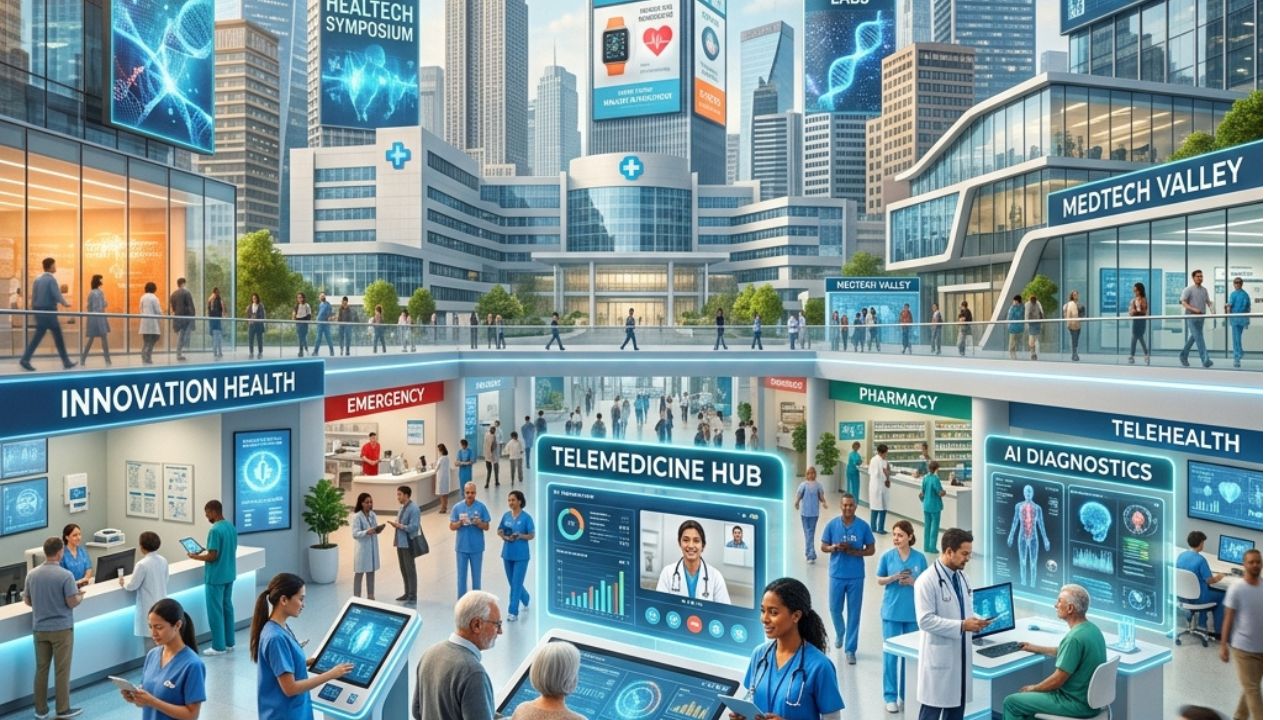
The U.S. healthcare industry is entering a new phase of growth, driven by technological innovation, changing patient expectations, and an increasing demand for more efficient medical services. Opportunities are expanding across digital health, artificial intelligence, biotechnology, value-based care, and healthcare infrastructure, making the sector one of the most attractive markets for entrepreneurs, investors, and healthcare organizations.
As healthcare spending continues to rise and the population ages, providers are looking for smarter ways to deliver quality care while controlling costs. At the same time, patients expect faster access, personalized treatment, and digital-first healthcare experiences. These evolving needs are encouraging companies to develop innovative solutions that improve clinical outcomes while simplifying the overall healthcare journey.
The United States remains the world’s largest healthcare market, accounting for trillions of dollars in annual spending. Beyond its size, however, the industry is undergoing significant structural changes. Advances in technology, evolving reimbursement models, and increasing investments in medical innovation are opening doors for businesses capable of solving long-standing healthcare challenges.
Rather than relying solely on traditional hospital-based care, healthcare organizations are embracing remote monitoring, virtual consultations, AI-powered diagnostics, and personalized medicine. These developments are reshaping the way care is delivered and creating entirely new business opportunities across multiple healthcare segments.
In this guide, we’ll explore the fastest-growing opportunities within the American healthcare market, examine the factors fueling demand, and highlight the sectors expected to play a major role in the future of healthcare.
Why Is the U.S. Healthcare Market Growing So Quickly?
Several long-term trends are working together to accelerate healthcare innovation across the country.
One of the biggest drivers is the nation’s aging population. As millions of Americans move into retirement age, the demand for chronic disease management, preventive care, rehabilitation services, and home healthcare continues to increase. Older adults generally require more frequent medical attention, creating sustained demand for healthcare providers and technology solutions alike.
Technology has also transformed the healthcare experience. Virtual appointments, mobile health applications, wearable devices, and AI-assisted diagnostics have become part of everyday medical care. Patients who once relied exclusively on in-person visits now appreciate the convenience of digital healthcare services, while providers recognize the operational benefits these technologies offer.
Investment activity has remained strong as well. Healthcare continues to attract venture capital, institutional investors, and private equity firms because of its long-term stability and ongoing demand. Businesses that can improve efficiency, reduce costs, or expand healthcare access are particularly well positioned for future growth.
How Digital Health and Telemedicine Are Transforming Patient Care
Digital healthcare has rapidly evolved from a convenient alternative into an essential component of modern medical services. Hospitals, physicians, and healthcare organizations increasingly rely on virtual tools to improve access and enhance patient experiences.
The Expansion of Virtual Healthcare
Telemedicine allows patients to consult healthcare professionals without leaving their homes. What initially gained widespread adoption during the pandemic has now become a permanent part of healthcare delivery.
Today, virtual care extends far beyond routine consultations. Patients regularly receive mental health counseling, chronic disease management, medication follow-ups, nutritional guidance, and specialist consultations through secure online platforms.
For individuals living in rural communities or those with mobility limitations, telemedicine significantly reduces travel time while making high-quality medical care much more accessible.
Continued Growth in Telehealth Platforms
Healthcare organizations are investing heavily in telehealth platforms that integrate seamlessly with electronic medical records, scheduling systems, and insurance billing processes.
Rather than functioning as standalone applications, today’s leading telemedicine solutions operate as fully connected healthcare ecosystems. This integration allows physicians to review medical histories, prescribe medications, order laboratory tests, and schedule follow-up appointments without interrupting patient care.
Healthcare providers increasingly prioritize platforms that support interoperability, ensuring patient information flows securely between hospitals, clinics, specialists, and insurance providers.
Remote Patient Monitoring Is Becoming Standard Care
Remote Patient Monitoring (RPM) represents one of the fastest-growing areas within digital healthcare.
Using connected devices such as blood pressure monitors, glucose sensors, heart rhythm trackers, pulse oximeters, and wearable fitness devices, healthcare providers can monitor patients from home while receiving real-time health updates.
Instead of waiting until symptoms become severe, physicians can identify warning signs early and intervene before hospitalization becomes necessary. This proactive approach improves patient outcomes while lowering healthcare costs by reducing emergency visits and hospital readmissions.
RPM has become especially valuable for patients managing chronic conditions including diabetes, hypertension, heart disease, asthma, and chronic obstructive pulmonary disease (COPD), allowing care teams to deliver continuous support without requiring frequent office visits.
What Opportunities Are Emerging in Biotechnology and Pharmaceuticals?
Biotechnology remains one of the most exciting areas within the healthcare industry. Scientific breakthroughs, advances in genetics, and the growing use of artificial intelligence are helping researchers develop treatments that were once considered impossible. While bringing a new therapy to market still requires significant investment and years of clinical testing, the potential impact on patient care makes biotechnology a major growth sector.
Faster Drug Discovery Through Artificial Intelligence
Developing a new medication has traditionally been a lengthy and expensive process, often taking more than a decade before reaching patients. Artificial intelligence is helping shorten that timeline by analyzing enormous datasets, identifying promising drug candidates, and predicting how different compounds may perform during research.
Instead of relying solely on traditional laboratory testing, pharmaceutical companies now use machine learning to evaluate millions of chemical combinations in a fraction of the time. This allows researchers to focus resources on the most promising treatments while reducing development costs.
AI is also improving clinical trial planning by identifying suitable participants, forecasting trial outcomes, and helping researchers detect potential safety concerns much earlier in the development process.
Personalized Medicine and Gene-Based Treatments
Healthcare is gradually shifting away from standardized treatment plans toward therapies designed for individual patients. Personalized medicine uses genetic information, medical history, and biological markers to determine which treatments are most likely to deliver successful outcomes.
Gene therapy is one of the most promising areas within this field. Instead of treating only the symptoms of certain diseases, these therapies target the underlying genetic causes. Researchers continue to make progress in treating inherited disorders, rare diseases, and several forms of cancer through highly targeted genetic approaches.
As genetic testing becomes more affordable and accessible, personalized treatment strategies are expected to become a routine part of healthcare, improving effectiveness while reducing unnecessary medications and side effects.
Strong Investment Activity in Biotechnology
Biotechnology companies continue to attract substantial investment because of their long-term growth potential. Although research and regulatory approval require patience, successful innovations can transform patient care while creating significant commercial value.
Investors are increasingly interested in companies working in areas such as cancer therapies, immunology, regenerative medicine, rare disease treatments, and precision medicine. Businesses that combine strong scientific research with practical clinical applications are often viewed as some of the most promising opportunities in the healthcare sector.
However, biotechnology remains a high-risk industry. Clinical trial failures, lengthy approval processes, and changing regulations can all affect the success of new treatments. Investors generally benefit from taking a long-term approach while carefully evaluating both the scientific evidence and the company’s development strategy.
How Healthcare Technology Is Improving Diagnosis and Preventive Care
Healthcare technology has become one of the fastest-moving segments of the American medical industry. Modern software, artificial intelligence, connected devices, and cloud-based platforms are helping healthcare providers deliver faster diagnoses, improve treatment accuracy, and encourage preventive care.
Artificial Intelligence Is Enhancing Medical Diagnostics
AI-powered diagnostic tools are assisting physicians across many medical specialties. These systems analyze medical images, laboratory results, and patient records to detect abnormalities that may otherwise be difficult to identify.
Radiologists now use AI to help identify tumors, fractures, strokes, and lung diseases more quickly. Pathologists rely on intelligent software to examine tissue samples with greater precision, while cardiologists benefit from algorithms that detect irregular heart rhythms and predict cardiovascular risks.
Rather than replacing healthcare professionals, these technologies provide an additional layer of support that helps improve diagnostic accuracy while reducing workload.
Smarter Electronic Health Record Systems
Electronic Health Records (EHRs) have become standard across most hospitals and healthcare organizations, but today’s systems are much more advanced than earlier versions.
Modern EHR platforms use automation and artificial intelligence to organize patient information, reduce repetitive documentation, and provide clinical recommendations during appointments. Physicians can quickly review medical histories, medication lists, laboratory reports, and imaging results from a single interface.
These improvements reduce administrative burdens while allowing healthcare providers to spend more time interacting directly with patients instead of completing paperwork.
Wearable Devices Are Driving Preventive Healthcare
Consumer health technology continues to encourage a more proactive approach to wellness. Smartwatches, fitness trackers, continuous glucose monitors, smart blood pressure monitors, and other connected devices allow people to monitor important health indicators throughout the day.
These devices collect valuable information about heart rate, physical activity, sleep quality, blood oxygen levels, and blood sugar. Healthcare providers can use this data to identify potential health concerns before they become serious medical problems.
Preventive healthcare is becoming increasingly important as healthcare organizations focus on reducing chronic disease complications. The combination of wearable technology and data-driven insights enables patients to take a more active role in managing their health while helping physicians deliver more personalized care.
Why Are Value-Based Care Models Becoming More Important?
Healthcare providers across the United States are moving away from the traditional fee-for-service approach and embracing value-based care. Instead of rewarding providers for the number of tests or procedures they perform, value-based care focuses on improving patient health while reducing unnecessary healthcare spending.
This model encourages hospitals, physicians, and healthcare organizations to work together to prevent illness, coordinate treatments, and improve long-term outcomes rather than simply treating medical problems as they arise.
Moving Beyond the Fee-for-Service Model
For decades, the American healthcare system primarily operated under a fee-for-service payment structure. Under this model, healthcare providers were reimbursed for every consultation, diagnostic test, procedure, and treatment they delivered.
Although this system ensured providers were paid for their services, it also encouraged higher healthcare utilization without necessarily improving patient outcomes.
Value-based care changes these incentives. Providers are rewarded for keeping patients healthier, preventing avoidable hospital admissions, reducing complications, and improving the overall quality of care. This shift benefits both patients and healthcare organizations by promoting preventive medicine and more efficient treatment strategies.
The Growing Role of Accountable Care Organizations (ACOs)
Accountable Care Organizations, commonly known as ACOs, play an increasingly important role in value-based healthcare.
These organizations bring together physicians, hospitals, specialists, and other healthcare professionals to coordinate care for specific patient populations. Instead of working independently, providers collaborate to ensure patients receive appropriate care at the right time while avoiding duplicate services and unnecessary expenses.
When an ACO successfully improves patient outcomes while lowering healthcare costs, it shares in the financial savings generated. This model creates strong incentives for providers to focus on prevention, early intervention, and better care coordination.
As more public and private insurers adopt value-based reimbursement programs, ACOs continue to expand across the United States.
Better Outcomes with Lower Healthcare Costs
One of the greatest advantages of value-based care is its ability to improve patient outcomes while controlling healthcare expenses.
Healthcare providers use data analytics, predictive modeling, remote monitoring, and care management programs to identify patients who may be at higher risk of complications. Early intervention often prevents emergency hospital visits and reduces the need for expensive treatments later.
Companies developing healthcare analytics software, patient engagement platforms, chronic disease management solutions, and care coordination technologies are positioned to benefit as value-based care continues gaining momentum.
Where Are the Biggest Opportunities in Healthcare Infrastructure and Services?
While digital innovation receives much of the attention, healthcare infrastructure remains a critical area for investment and growth. Hospitals, clinics, outpatient centers, and healthcare support services all require modernization to meet the changing needs of patients and providers.
Modernizing Hospitals and Medical Facilities
Many healthcare facilities across the country continue to operate with aging infrastructure and outdated technology. Upgrading these systems improves efficiency, enhances patient safety, and supports better clinical decision-making.
Modern hospitals are investing in advanced diagnostic equipment, automated workflows, smart building technologies, and integrated digital systems that improve both operational performance and patient satisfaction.
Infrastructure improvements also include expanding outpatient facilities, specialty clinics, and ambulatory surgery centers that provide high-quality care while reducing pressure on large hospitals.
Growing Demand for Home Healthcare and Senior Care
America’s aging population is creating strong demand for home-based healthcare services.
Many older adults prefer receiving treatment in the comfort of their own homes whenever possible. Home healthcare providers offer nursing care, physical therapy, medication management, rehabilitation services, and chronic disease monitoring without requiring extended hospital stays.
This approach often improves quality of life while lowering healthcare costs by reducing unnecessary admissions and shortening recovery periods.
In addition to medical care, demand continues to grow for assisted living services, home caregivers, remote monitoring programs, and technology solutions that help seniors maintain their independence.
Solving Healthcare Workforce Challenges
Healthcare organizations continue to face significant staffing shortages across multiple professions, including physicians, nurses, therapists, laboratory technicians, and support staff.
As patient demand rises, recruiting and retaining qualified healthcare professionals has become a major priority for hospitals and healthcare systems.
This challenge creates opportunities for companies specializing in healthcare recruitment, workforce management software, online medical education, professional training, staffing agencies, and AI-powered scheduling solutions.
Technology is also helping healthcare organizations maximize existing staff by automating administrative work, improving communication, and reducing clinician burnout.
What Does the Investment and Regulatory Landscape Look Like?
Healthcare innovation depends not only on technology but also on funding and government policy. Understanding how investment trends and regulatory requirements shape the industry is essential for anyone considering opportunities within the healthcare market.
Government Support and Healthcare Funding
Federal healthcare programs such as Medicare and Medicaid continue to influence large portions of the healthcare economy. Government decisions regarding reimbursement policies, preventive care incentives, digital health coverage, and pharmaceutical pricing have a direct impact on healthcare providers and technology companies.
Organizations that closely monitor policy changes are often better positioned to adapt their products and services as healthcare regulations evolve.
Public funding also supports medical research, healthcare infrastructure improvements, and programs designed to expand access to underserved communities, creating additional opportunities for innovation and collaboration.
Frequently Asked Questions
1. What are the fastest-growing opportunities in the U.S. healthcare market?
Some of the fastest-growing areas include digital health, telemedicine, artificial intelligence, biotechnology, remote patient monitoring, home healthcare, personalized medicine, and value-based care. These sectors are expanding as healthcare providers seek more efficient, accessible, and patient-focused solutions.
2. Why is digital health becoming so important?
Digital health improves access to medical services while reducing costs and increasing convenience. Technologies such as virtual consultations, wearable devices, mobile health apps, and remote patient monitoring allow healthcare providers to deliver continuous care without requiring frequent in-person visits.
3. What is value-based care in simple terms?
Value-based care is a healthcare payment model that rewards providers for improving patient health rather than the number of treatments they perform. The goal is to encourage preventive care, better care coordination, fewer hospital readmissions, and improved long-term health outcomes.
4. Is biotechnology a good long-term investment?
Biotechnology can offer significant long-term growth potential because of ongoing advances in drug development, gene therapy, and personalized medicine. However, it also involves higher risks due to lengthy research, clinical trials, and regulatory approval processes, making it more suitable for investors with a long-term perspective.
5. How is artificial intelligence changing healthcare?
Artificial intelligence is helping healthcare organizations improve diagnostic accuracy, automate administrative tasks, support clinical decision-making, and identify high-risk patients earlier. AI also accelerates drug discovery and enhances medical imaging analysis, allowing clinicians to deliver faster and more accurate care.
6. What are the biggest challenges facing healthcare innovation?
Healthcare organizations must overcome several obstacles, including strict regulatory requirements, cybersecurity threats, data privacy concerns, workforce shortages, rising operational costs, and ensuring equal access to new technologies. Successfully addressing these challenges is essential for sustainable growth in the healthcare industry.