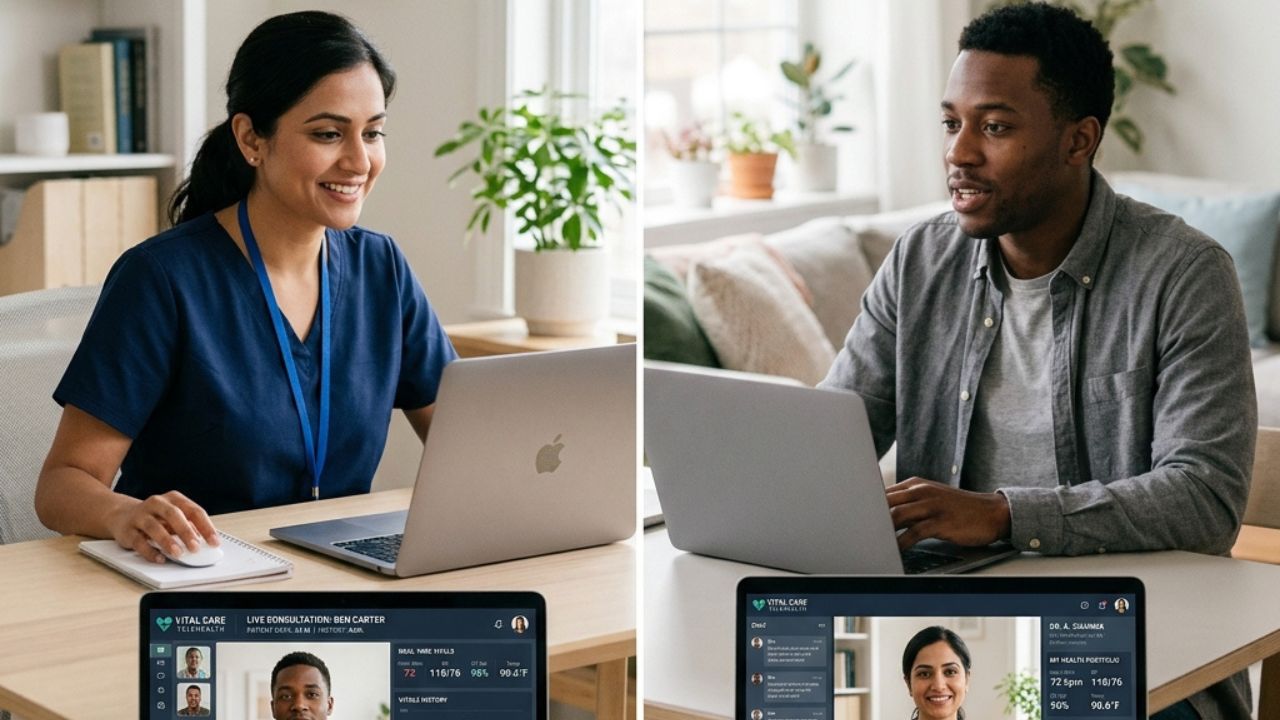
Healthcare has changed dramatically in recent years. Not long ago, visiting a doctor usually meant rearranging your schedule, traveling to a clinic, spending time in a waiting room, and dealing with long appointment delays. Today, telehealth has transformed that experience by allowing patients to connect with licensed medical professionals from almost anywhere. Whether you need medical advice, a prescription refill, mental health support, or ongoing care management, online healthcare services have made accessing treatment faster and more convenient.
The growth of virtual healthcare has created new opportunities for millions of Americans. People living in rural communities can now reach specialists without driving several hours. Working professionals can schedule appointments without taking an entire day off. Parents can receive medical guidance for their children without the stress of visiting a crowded clinic. Telehealth has shifted healthcare from a location-based service into a flexible option that fits modern lifestyles.
Beyond convenience, online doctor visits have improved the way people manage their health. Many patients are more willing to seek medical advice early when they do not have to deal with travel, waiting rooms, or complicated scheduling. Virtual appointments can help identify health concerns sooner, support ongoing treatment plans, and provide easier access to specialists who may not be available locally.
However, with hundreds of telehealth companies and digital health platforms available today, choosing the right service can be challenging. Each platform offers different features, pricing structures, medical specialties, and levels of support. Understanding what separates reliable virtual healthcare providers from average services is essential before making a decision.
This guide explores the leading online doctor platforms in the United States, explains the important factors to consider before choosing a telehealth service, and provides practical tips to help you get the most value from virtual medical care.
What Should You Look for in a Telehealth Provider?
Not every online healthcare platform provides the same level of service. Some focus mainly on quick urgent care appointments, while others provide complete healthcare solutions that include primary care, mental health services, chronic disease management, and specialist consultations. Before selecting a provider, it is important to evaluate several key factors.
Checking Doctor Credentials and Medical Quality
The foundation of any healthcare service is the quality of its medical professionals. A trustworthy telehealth platform should clearly explain the qualifications of its doctors, including their licenses, certifications, and clinical experience.
Patients should look for services that connect them with board-certified physicians who are authorized to practice in their state. Many established telehealth companies provide detailed provider profiles that include education, specialties, and years of experience.
Transparency about healthcare professionals is a major sign of reliability. A platform that openly shares information about its medical team demonstrates a stronger commitment to patient trust and safety.
Understanding Available Healthcare Services
Telehealth providers vary significantly in the types of care they offer. Some platforms specialize in simple medical concerns such as allergies, cold symptoms, infections, or minor injuries. Others provide a much broader healthcare experience.
Comprehensive virtual healthcare platforms may include:
- Primary care consultations
- Pediatric appointments
- Mental health therapy
- Psychiatry services
- Dermatology consultations
- Nutrition guidance
- Chronic condition management
- Preventive healthcare support
If you are searching for a long-term online healthcare partner, choose a platform that supports continuous care rather than only one-time appointments.
Comparing Insurance Coverage and Pricing Options
The cost of virtual healthcare depends on the platform, your insurance plan, and the type of service you need. Many major telehealth companies work with insurance providers, allowing patients to pay standard copays similar to traditional doctor visits.
For people without insurance or those using high-deductible plans, transparent pricing becomes especially important. Some platforms offer fixed consultation fees, while others charge different amounts depending on the specialty or urgency of the appointment.
Before scheduling a visit, check whether the service accepts your insurance and understand all possible costs. Clear pricing helps avoid unexpected medical bills later.
Evaluating Technology and User Experience
A successful virtual appointment depends heavily on technology. A reliable telehealth platform should provide a simple and smooth experience from scheduling to follow-up care.
Important features include:
- Easy appointment booking
- Stable video connections
- Secure messaging with doctors
- Ability to upload images or medical documents
- Access to visit summaries
- Digital prescription delivery
- Integration with pharmacy services
A complicated app or unreliable connection can make an already stressful healthcare situation more difficult. Checking user reviews and ratings can help identify platforms with strong technical performance.
Protecting Patient Privacy and Security
Healthcare information is extremely sensitive, and online medical services must protect patient data. Any telehealth company you choose should follow strict privacy standards and maintain HIPAA compliance.
Secure platforms use encryption technology to protect video consultations, medical records, personal information, and payment details.
Before signing up, review the company’s privacy policies and security practices. A reputable provider should clearly explain how your health information is collected, stored, and protected.
Leading Telehealth Platforms Available in the USA
The American telehealth market includes several major companies that serve millions of patients nationwide. Each platform has different strengths depending on the type of care you need.
Teladoc Health: A Widely Trusted Virtual Care Provider
Teladoc Health is one of the most recognized names in digital healthcare. The company has built a large nationwide network of healthcare professionals and provides virtual medical services for a wide range of health concerns.
Services Offered
Teladoc provides:
- General medical consultations
- Mental health support
- Dermatology services
- Chronic condition management
- Healthcare support for adults and children
Advantages
One of Teladoc’s biggest strengths is accessibility. Patients can often connect with doctors quickly for non-emergency medical concerns. The platform works with many insurance providers, making virtual visits affordable for a large number of users.
The mobile application is designed for convenience, allowing patients to schedule appointments, communicate with providers, review medical information, and manage prescriptions easily.
Limitations
For patients paying completely out of pocket, specialist appointments and behavioral health services may become more expensive compared with some competing telehealth platforms.
Amwell: A Patient-Friendly Virtual Healthcare Experience
Amwell focuses on creating a complete digital healthcare journey, connecting patients with medical professionals through a simple and organized platform.
Services Offered
Amwell provides:
- Urgent care
- Primary care
- Therapy
- Psychiatry
- Nutrition counseling
- Specialized healthcare programs
Advantages
The platform is known for straightforward pricing and an easy appointment process. Patients can review doctor profiles before selecting a provider, helping create a stronger sense of trust during virtual consultations.
Amwell also offers a broad range of healthcare services, making it useful for individuals looking for more than basic urgent care.
Limitations
During busy periods, especially seasonal illness outbreaks, appointment availability may become limited due to increased demand.
MDLive: Flexible Virtual Care With Strong Specialty Support
MDLive has become a popular telehealth platform by focusing on convenient access to doctors, mental health professionals, and specialized healthcare services. The platform is designed for patients who want quick medical support while also having access to ongoing healthcare options.
Services Offered
MDLive provides:
- Primary care consultations
- Urgent care visits
- Dermatology appointments
- Therapy sessions
- Psychiatric consultations
Advantages
One of the biggest benefits of MDLive is its flexible scheduling system. Patients can often find appointments during evenings and weekends, making it easier for people with busy work schedules or family responsibilities to receive care.
The platform’s dermatology service is especially useful because patients can upload images of skin concerns, allowing healthcare providers to evaluate conditions remotely and recommend appropriate treatment options.
MDLive also provides strong behavioral healthcare services, connecting patients with licensed therapists and mental health specialists through secure virtual appointments.
Limitations
Although MDLive covers many common healthcare needs, it may not offer some highly specialized programs available through larger telehealth companies. Patients looking for niche medical services may need to explore additional providers.
Doctor on Demand: Combining Physical and Mental Healthcare
Doctor on Demand has built its reputation around providing complete healthcare solutions that combine medical treatment and emotional wellness support in one platform.
The service focuses on helping patients manage everyday health concerns while also supporting long-term healthcare needs.
Services Offered
Doctor on Demand includes:
- General medical visits
- Urgent care consultations
- Mental health therapy
- Psychiatry services
- Chronic condition support
Advantages
A major advantage of Doctor on Demand is its focus on whole-person healthcare. The platform allows patients to receive both physical and mental health services without managing multiple healthcare accounts.
Doctors can also recommend laboratory testing when needed, making the platform useful for patients managing chronic conditions such as diabetes, high cholesterol, or thyroid disorders.
The service also provides Medicare-covered options for eligible patients, expanding access for older adults who prefer virtual healthcare.
Limitations
For individuals without insurance coverage, Doctor on Demand’s consultation fees may be higher compared with some lower-cost telehealth alternatives.
Other Reliable Online Healthcare Services
While large platforms dominate the telehealth industry, several smaller services provide excellent care for specific healthcare needs.
PlushCare: Building Long-Term Doctor Relationships
PlushCare focuses heavily on primary care and ongoing relationships between patients and physicians. Unlike services designed only for quick medical questions, PlushCare emphasizes continuous healthcare management.
Patients can use PlushCare for:
- Routine checkups
- Prescription management
- Preventive care
- Chronic disease monitoring
- Laboratory test requests
This makes the platform a strong choice for individuals who want a consistent online primary care provider.
LiveHealth Online: Convenient Care for Insurance Members
LiveHealth Online provides virtual medical services through a simple digital platform. It is particularly useful for patients whose insurance plans include access to the service.
The platform allows users to connect with healthcare professionals for common medical concerns such as:
- Cold and flu symptoms
- Allergies
- Minor infections
- General health questions
Its connection with major insurance networks makes it a convenient option for many insured patients.
Specialized Telehealth Services for Specific Healthcare Needs
Telehealth has expanded far beyond traditional doctor appointments. Today, many platforms focus on specific areas of healthcare, allowing patients to receive specialized treatment from home.
Online Mental Health Platforms
Mental healthcare has experienced one of the biggest transformations through virtual technology. Online therapy platforms have made counseling services more accessible for people who may struggle to attend traditional appointments.
Services such as online therapy networks connect patients with licensed professionals through:
- Video sessions
- Voice calls
- Secure messaging
- Digital communication tools
These platforms can support individuals dealing with:
- Anxiety
- Depression
- Stress management
- Relationship challenges
- Emotional wellness concerns
The flexibility of virtual therapy allows patients to communicate with mental health professionals more consistently, reducing common barriers like transportation issues and limited local availability.
Digital Dermatology Services
Dermatology is another area where telehealth has become extremely effective. Many skin conditions can be evaluated through high-quality images and online consultations.
Patients can upload photos of concerns such as:
- Acne
- Skin irritation
- Rashes
- Rosacea
- Hair-related conditions
Dermatology providers review these images, discuss symptoms, and create personalized treatment plans.
Some online dermatology services also provide prescription skincare products delivered directly to patients, making treatment more convenient.
Online Prescription and Wellness Platforms
Certain telehealth companies specialize in specific prescription needs and wellness treatments. These platforms focus on areas where patients often prefer privacy and convenience.
Services may include support for:
- Hair loss treatments
- Skin care medications
- Sexual health concerns
- Women’s health services
- Preventive wellness programs
The typical process involves completing an online health questionnaire, having a licensed physician review the information, and receiving treatment recommendations if appropriate.
This approach allows patients to manage sensitive health concerns discreetly without frequent in-person appointments.
Preparing for a Successful Virtual Doctor Appointment
Although online appointments are convenient, preparing properly can make your healthcare experience much more effective. A few simple steps can help ensure your doctor receives accurate information and provides the best possible guidance.
Checking Your Technology Before the Appointment
Technical problems can interrupt an important medical conversation. Before your appointment begins:
- Charge your device or connect it to power
- Test your camera and microphone
- Check your internet connection
- Update the telehealth application if needed
- Close unnecessary programs running in the background
A stable connection and working equipment allow your doctor to focus completely on your health concerns.
Preparing Important Medical Information
Treat your virtual appointment the same way you would prepare for an in-person visit.
Before connecting with your doctor, prepare:
- A list of current symptoms
- When your symptoms started
- Any medications you currently take
- Allergies or previous medical conditions
- Questions you want to ask
- Pharmacy details
If you have medical records, previous test results, or photos related to your condition, keep them ready to share during the appointment.
Creating a Private and Comfortable Space
Your environment can affect the quality of your consultation. Choose a quiet area with good lighting where you can speak openly with your healthcare provider.
Good lighting helps doctors evaluate visible symptoms, while a private location ensures your medical information remains confidential.
Using headphones can also improve sound quality and provide additional privacy during your appointment.
The Future of Telehealth in the United States
Virtual healthcare continues to evolve rapidly as technology improves and patient expectations change. The future of medicine will likely involve a combination of digital healthcare tools and traditional medical services.
Advanced Technology and Remote Monitoring
Future telehealth systems will increasingly connect with smart medical devices that collect real-time health information.
Examples include:
- Smart blood pressure monitors
- Digital stethoscopes
- Wearable heart monitors
- Remote glucose tracking devices
- Connected fitness and health sensors
These tools will allow doctors to monitor patients continuously rather than only during scheduled appointments.
Artificial intelligence will also become more involved in healthcare. AI systems may help analyze symptoms, organize medical information, and identify patients who need immediate attention before they even speak with a doctor.
Expanding Access Across Different Communities
One of telehealth’s greatest benefits is improving healthcare access. Rural communities, elderly patients, and individuals with transportation challenges can receive medical support without traveling long distances.
As internet availability improves and regulations continue developing, more patients will gain access to specialists who were previously unavailable in their area.
Regulatory Changes and the Growth of Virtual Healthcare
The future of telehealth will also depend heavily on healthcare regulations and government policies. Over the past few years, many temporary rules were introduced to expand access to virtual medical care. These changes allowed more patients to connect with doctors remotely and helped healthcare providers quickly adapt to digital services.
One important area of discussion is cross-state healthcare access. Currently, medical licensing rules vary from state to state, which can limit a patient’s ability to consult specialists located elsewhere. Future policy changes may create more flexibility, allowing patients to connect with qualified healthcare professionals regardless of their location.
A more consistent regulatory approach could especially benefit people living in areas where specialist healthcare services are limited. Patients in smaller communities may gain access to experts from major medical centers without needing expensive travel arrangements.
At the same time, regulators must ensure that expanded telehealth access does not reduce healthcare quality. Strong standards for physician licensing, patient privacy, data security, and medical accountability will remain essential as virtual healthcare continues growing.
The Rise of Hybrid Healthcare Models
The future of medicine is unlikely to be completely virtual or completely traditional. Instead, healthcare will move toward a hybrid approach that combines online consultations with in-person medical services.
For many patients, the healthcare journey may begin with a virtual appointment. A doctor can review symptoms, discuss medical history, and determine whether additional testing or an in-person examination is necessary.
If physical evaluation is required, patients can visit a local clinic, laboratory, or hospital. After receiving test results, they can return to virtual appointments for follow-up discussions and treatment adjustments.
This blended model offers several advantages:
- Faster access to medical advice
- Reduced waiting times
- Lower transportation costs
- More convenient follow-up care
- Better management of chronic conditions
For patients with long-term health concerns, hybrid healthcare can provide continuous monitoring while reducing the need for frequent clinic visits.
How to Choose the Right Online Doctor Service
With so many telehealth options available, selecting the right platform requires understanding your personal healthcare needs. The best service for one person may not be the right choice for another.
Before choosing a provider, consider the type of care you need.
If you require occasional treatment for minor illnesses, an urgent care-focused platform may be enough. These services are ideal for issues such as:
- Cold and flu symptoms
- Allergies
- Minor infections
- Skin concerns
- Simple prescription requests
If you need ongoing healthcare support, choose a platform that offers primary care services. These providers can help manage:
- Chronic health conditions
- Regular medications
- Preventive healthcare
- Routine medical monitoring
For emotional wellness needs, specialized mental health platforms may provide better support through regular therapy sessions and communication options.
Insurance coverage should also influence your decision. Before registering with a telehealth company, confirm whether the service works with your insurance provider or offers affordable self-pay options.
Benefits and Limitations of Telehealth Services
Virtual healthcare provides many advantages, but understanding its limitations helps patients use it effectively.
Major Benefits of Online Healthcare
The biggest advantage of telehealth is convenience. Patients can receive medical advice without spending time traveling or waiting in crowded clinics.
Other benefits include:
Improved Healthcare Accessibility
People living in rural locations or areas with fewer medical professionals can connect with specialists who may not be available nearby.
Faster Medical Support
Many telehealth platforms offer same-day or next-day appointments, helping patients address health concerns before they become more serious.
Better Management of Chronic Conditions
Patients with diabetes, high blood pressure, and other long-term conditions can use virtual appointments to discuss symptoms, review test results, and adjust treatment plans.
Greater Privacy and Comfort
Some individuals feel more comfortable discussing sensitive health topics from their own home rather than inside a medical office.
Limitations of Virtual Medical Care
Despite its advantages, telehealth is not suitable for every medical situation.
Online appointments may not replace physical examinations that require:
- Laboratory testing
- Imaging scans
- Surgical procedures
- Emergency treatment
- Hands-on physical evaluation
Patients experiencing severe symptoms such as chest pain, difficulty breathing, major injuries, or life-threatening conditions should seek emergency medical care instead of relying on virtual consultations.
Making the Most of Your Telehealth Experience
A successful online healthcare experience depends on active participation from the patient. Preparing questions, sharing accurate information, and following medical advice can improve the quality of virtual care.
During your appointment:
- Explain symptoms clearly
- Mention when problems started
- Share your complete medication list
- Ask questions if you do not understand instructions
- Follow up when recommended
After the appointment, review any notes, prescriptions, or recommendations provided by your doctor. Many platforms allow patients to access visit summaries and communicate with healthcare providers afterward.
Taking an active role helps ensure that virtual healthcare becomes an effective part of your overall wellness strategy.
The Changing Future of Healthcare Access
Telehealth has permanently changed the relationship between patients and healthcare providers. What started as a convenient alternative has become a major part of modern medicine.
Online doctor services now provide millions of Americans with faster, easier, and more flexible healthcare options. From urgent medical consultations to ongoing chronic disease management and mental health support, virtual platforms continue expanding the possibilities of healthcare delivery.
The most successful healthcare systems of the future will combine technology, medical expertise, and patient-centered care. Telehealth will not eliminate hospitals or traditional clinics, but it will make healthcare more connected, efficient, and accessible.
For patients, the key is choosing reliable platforms, understanding available services, and using virtual care as a valuable tool alongside traditional medical treatment.
By exploring reputable telehealth providers and preparing for digital appointments, individuals can take greater control of their health while enjoying the convenience of modern healthcare technology.
Frequently Asked Questions About Online Doctors and Telehealth Services
Are online doctors able to prescribe medication?
Yes, many licensed online doctors can prescribe medications when medically appropriate. After reviewing your symptoms, medical history, and current health information, a provider may send a prescription directly to your preferred pharmacy.
However, some medications—including certain controlled substances—may require an in-person evaluation depending on federal and state regulations.
Does insurance cover telehealth appointments?
Many insurance companies cover virtual healthcare visits. Coverage depends on your specific insurance plan, the telehealth provider, and the type of service you receive.
Before scheduling an appointment, check whether the platform accepts your insurance and confirm any copay or out-of-pocket costs.
Can telehealth replace regular doctor visits?
Telehealth can replace many routine medical visits, but it does not completely replace in-person healthcare.
Virtual appointments work well for:
- Follow-up consultations
- Prescription management
- Mental health care
- Minor illnesses
- Chronic condition monitoring
However, physical examinations, emergency care, and certain diagnostic procedures still require traditional medical facilities.
Are online doctors qualified medical professionals?
Reputable telehealth platforms connect patients with licensed physicians, nurse practitioners, and healthcare professionals who meet state licensing requirements.
Before choosing a service, verify that providers are licensed in your state and review the platform’s information about medical qualifications.
Is telehealth safe and private?
Yes, established telehealth providers use security systems designed to protect patient information. Reputable platforms follow healthcare privacy standards, including HIPAA requirements.
Patients should still choose trusted providers and avoid sharing personal medical information through unsecured websites or unofficial communication channels.
What conditions can online doctors treat?
Online doctors can treat many common health concerns, including:
- Cold and flu symptoms
- Allergies
- Skin problems
- Minor infections
- Digestive issues
- Mental health concerns
- Prescription refills
- Chronic condition follow-ups
For serious emergencies or conditions requiring physical examination, patients should seek in-person medical care.
How quickly can I see an online doctor?
Appointment availability depends on the platform and current demand. Many telehealth services offer same-day appointments, while others allow patients to schedule visits several days in advance.
Urgent care-focused platforms often provide the fastest access for non-emergency medical concerns.
Is telehealth more affordable than visiting a clinic?
In many situations, telehealth can reduce healthcare costs by eliminating travel expenses and offering lower consultation fees. However, pricing depends on insurance coverage, the provider, and the type of medical service required.
Patients should compare costs before choosing a platform.