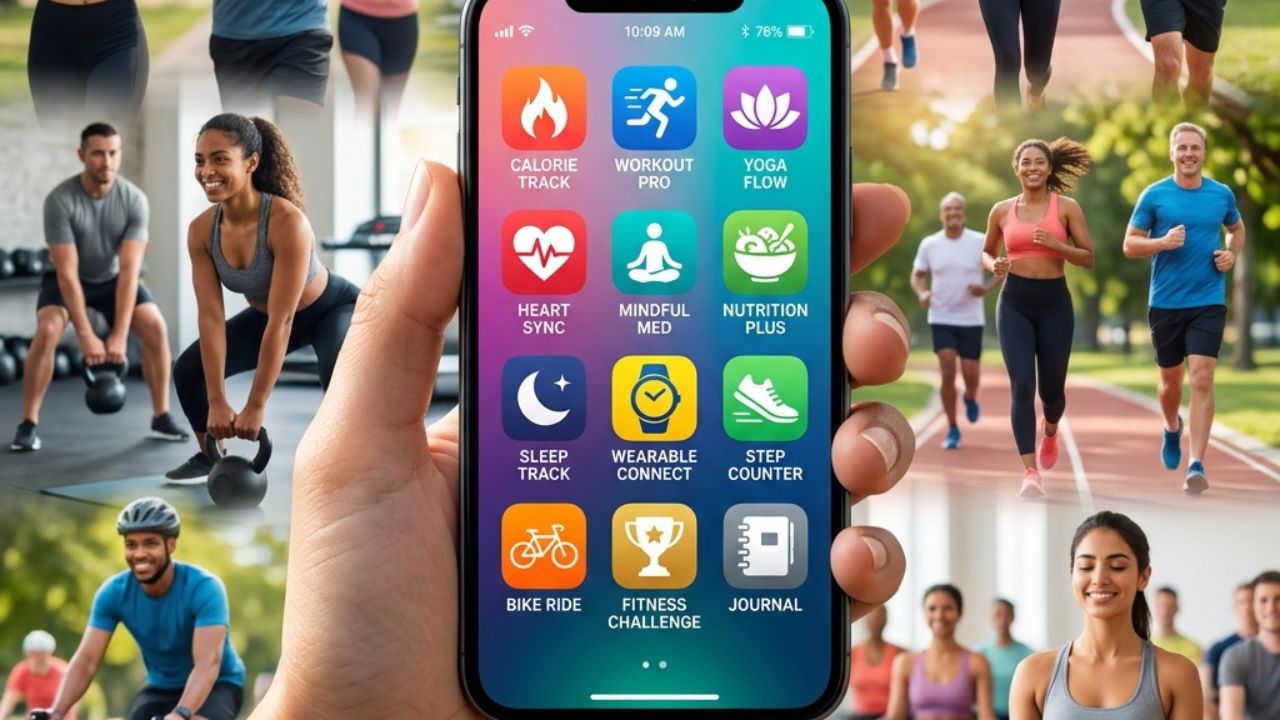
Managing your fitness journey used to mean writing down workouts in a notebook, manually counting calories, and trying to remember how active you were throughout the day. Today, technology has completely changed the way people monitor their health. With just a smartphone or wearable device, you can track your steps, measure workout performance, analyze sleep quality, monitor nutrition, and receive personalized recommendations within seconds.
Fitness and health apps have become powerful tools for building better habits. They provide the accountability many people need to stay consistent. When your daily activities are recorded and displayed visually, your progress becomes easier to understand and celebrate. Seeing improvements in your strength, endurance, sleep patterns, or nutrition habits can provide the motivation needed to continue working toward your goals.
Modern fitness applications also eliminate much of the confusion surrounding exercise and wellness. Instead of guessing how many calories you should consume or how often you should train, these platforms use your personal information to provide customized guidance. Whether your goal is losing weight, improving athletic performance, building muscle, reducing stress, or simply becoming more active, there is likely an app designed to support your journey.
However, choosing the right fitness app can be challenging. App stores are filled with thousands of health and workout platforms, each claiming to be the perfect solution. The best applications usually share several important qualities. They are easy to use, provide accurate tracking, connect smoothly with other devices, and offer meaningful recommendations instead of simply displaying numbers.
This guide explores the top fitness and health apps available today, explains the features that make them valuable, and helps you understand how to choose the right digital fitness companion based on your personal goals.
Best Overall Health and Fitness Tracking Apps
For people who want a complete overview of their health, general fitness apps provide a combination of nutrition tracking, activity monitoring, sleep analysis, and wellness insights. These platforms are excellent choices for beginners and experienced users who want a complete picture of their daily habits.
MyFitnessPal: A Complete Nutrition and Calorie Tracking Platform
Nutrition is one of the most important parts of any fitness plan, and MyFitnessPal has become one of the most recognized food-tracking applications worldwide. The platform helps users monitor their daily calorie intake, track macronutrients, and understand how their eating habits affect their fitness progress.
One of MyFitnessPal’s biggest advantages is its extensive food database. The app includes millions of food items, allowing users to quickly record meals by searching manually or scanning product barcodes. This makes tracking everyday meals, packaged foods, and restaurant dishes much easier.
The app goes beyond basic calorie counting by analyzing important nutrients such as protein, carbohydrates, and fats. This feature is especially useful for people with specific fitness goals, including muscle building, weight management, or athletic performance improvement.
MyFitnessPal also connects with many popular fitness devices and applications. Users can combine nutrition information with workout data to create a more complete understanding of their energy balance.
The platform is particularly helpful for people who want better awareness of their eating habits. By consistently recording meals, users can identify patterns, make smarter food choices, and create sustainable lifestyle changes.
However, some advanced features require a premium subscription. Users who only need basic calorie tracking may find the free version sufficient, while those looking for deeper nutrition analysis may benefit from upgrading.
Fitbit App: Activity Tracking and Smart Wearable Integration
The Fitbit app is widely known for its connection with Fitbit wearable devices, but it also provides valuable health-tracking features even without owning a Fitbit tracker.
The application focuses heavily on daily movement, helping users monitor steps, distance traveled, active minutes, and overall activity levels. Its simple dashboard makes it easy to understand progress and stay motivated throughout the day.
One of Fitbit’s strongest features is sleep monitoring. The app analyzes sleep duration and quality by tracking different sleep stages, including light sleep, deep sleep, and REM sleep. Users receive a sleep score that helps them understand recovery patterns and improve their nighttime habits.
The platform also tracks metrics such as heart rate, exercise sessions, and overall wellness trends. When paired with Fitbit devices, the app creates a detailed picture of daily health behaviors.
The visual design of Fitbit makes progress tracking engaging. Daily goals, activity reminders, and achievement badges encourage users to remain consistent with their routines.
For people who enjoy wearable technology and want an easy way to monitor daily health, Fitbit remains one of the strongest options available.
Apple Health and Google Fit: Centralized Health Data Management
Apple Health and Google Fit work differently from traditional fitness apps. Instead of focusing on one specific activity, they act as central platforms where users can collect health information from multiple sources.
These built-in smartphone health systems automatically track basic activity information such as steps, walking distance, and movement patterns. They operate quietly in the background and collect data using smartphone sensors and connected devices.
Their biggest advantage is data consolidation. Instead of checking several different applications, users can bring information from workouts, nutrition apps, sleep trackers, and wearable devices into one central dashboard.
For example, someone might record running sessions through one application, track meals through another, and monitor sleep through a smartwatch. Apple Health and Google Fit can combine this information to create a broader view of overall wellness.
These platforms are especially useful for users who already rely heavily on their smartphone ecosystem. Apple users with devices like Apple Watch often benefit from the seamless integration of Apple Health, while Android users can take advantage of Google Fit compatibility.
Specialized Fitness Apps for Specific Goals
While general health trackers are useful for everyday wellness, some people need more specialized tools. Athletes, runners, strength-training enthusiasts, and mindfulness users often benefit from applications designed specifically around their activities.
Running and Cycling Apps: Strava and Runkeeper
Running and cycling require detailed performance tracking, and specialized apps provide features that general fitness platforms often lack.
Strava has become extremely popular among runners and cyclists because of its strong community features and advanced GPS tracking. The app records routes, speed, distance, elevation changes, and workout performance.
One of Strava’s most popular features is its segment system. Users can compare their performance against other athletes who completed the same route. This creates a competitive environment that motivates people to improve their personal records.
Beyond tracking, Strava creates a social fitness community. Users can share activities, follow friends, join challenges, and receive encouragement from other athletes.
Runkeeper offers a different approach by focusing more on structured training programs. It is especially useful for people preparing for races or trying to improve running performance.
The app provides guided workouts, pacing recommendations, and training schedules for different goals, from beginner 5K races to longer-distance events.
Both platforms serve different types of runners. Strava is ideal for people who enjoy competition and community interaction, while Runkeeper is better suited for users who prefer structured coaching.
Strength Training Apps: Jefit and Strong
Tracking strength workouts requires different tools compared with cardio exercises. Weight training involves monitoring exercises, sets, repetitions, resistance levels, and progression over time.
Jefit provides a large exercise library with instructional information and visual demonstrations. The app allows users to create customized workout plans, record lifting sessions, and monitor improvements.
This makes it useful for beginners who need exercise guidance as well as experienced lifters who want detailed workout records.
Strong takes a simpler approach. The app focuses on speed and efficiency, allowing users to quickly record workouts without unnecessary complexity.
One of Strong’s useful features is remembering previous workout data. When users return to an exercise, the app shows previous weights and repetitions, helping them gradually increase performance through progressive overload.
Both applications are valuable for people focused on building strength, improving muscle growth, or maintaining organized training routines.
Choosing the Right Health App Based on Your Lifestyle
A fitness app should fit naturally into your daily routine rather than becoming another task you struggle to maintain. The best application is not always the one with the most features. It is the one you will consistently use and that supports your personal health goals.
Health Apps for Busy Professionals
For people with demanding work schedules, consistency is often the biggest challenge. Long work hours, meetings, and travel can make traditional fitness routines difficult to maintain. Apps designed for busy professionals focus on quick workouts, habit tracking, and efficient health management.
Many modern fitness apps provide short 10-to-20-minute workout programs that can be completed anywhere. These features are especially useful for professionals who cannot spend an hour at the gym every day. Reminder notifications, calendar integration, and automated progress tracking help users stay committed even during hectic weeks.
Apps with meal planning and quick nutrition logging are also valuable for busy individuals. Instead of spending time calculating every ingredient manually, users can quickly record meals, scan food labels, or select common meals from existing databases. This makes healthy eating easier to manage alongside a demanding lifestyle.
Fitness Apps for Beginners
Starting a fitness journey can feel overwhelming, especially for people who have little experience with exercise. Beginner-friendly health apps focus on education, simple instructions, and gradual progress.
The best beginner apps provide guided workouts with video demonstrations, clear explanations, and adjustable difficulty levels. They help users understand proper exercise techniques while reducing the risk of injuries caused by incorrect movements.
Goal-setting features are particularly helpful for new users. Instead of encouraging extreme changes, these apps often focus on achievable milestones such as walking more steps, completing a beginner workout program, or improving sleep habits.
A supportive interface can make a major difference. Apps that celebrate small achievements, track streaks, and provide positive feedback help beginners build confidence and create long-lasting healthy habits.
Health Apps for Weight Loss and Nutrition Management
Weight management remains one of the most common reasons people turn to fitness apps. Successful weight loss requires more than simply counting calories. It involves understanding eating patterns, activity levels, and lifestyle choices.
Nutrition-focused apps help users monitor daily calorie intake, protein consumption, hydration, and meal quality. Many platforms allow users to create personalized goals based on their current weight, target weight, activity level, and preferred timeline.
Advanced apps also provide insights into eating behaviors. They may identify patterns such as frequent late-night snacking or insufficient protein intake. These observations allow users to make realistic adjustments instead of following restrictive diets that are difficult to maintain.
Some platforms also include meal recommendations, grocery lists, and recipe suggestions. These features turn nutrition tracking into a practical lifestyle tool rather than just a numbers-based system.
Fitness Apps for Older Adults
Health technology is becoming increasingly valuable for older adults who want to maintain independence and improve overall wellness. The best apps for seniors focus on mobility, balance, strength, and preventive health.
Simple interfaces with larger text, easy navigation, and clear instructions are essential. Many older users benefit from apps that track walking distance, heart health, medication reminders, and sleep quality.
Low-impact exercise programs are particularly useful. These may include stretching routines, balance exercises, chair workouts, and gentle strength training designed to support joint health and mobility.
Some health apps can also connect with wearable devices that monitor important health indicators. These tools allow users and their healthcare providers to better understand daily activity patterns and identify potential concerns early.
Wearable Devices and Their Role in Fitness Tracking
Health apps become even more powerful when combined with wearable technology. Smartwatches and fitness trackers continuously collect health information, creating a detailed picture of your daily habits.
Smartwatches and Fitness Trackers
Devices such as smartwatches can monitor steps, heart rate, calories burned, sleep patterns, and workout performance. They eliminate the need for manual tracking and provide real-time feedback throughout the day.
For athletes, wearable devices provide advanced performance metrics such as training intensity, recovery scores, running pace, and heart rate zones. These insights help users optimize workouts and avoid overtraining.
For everyday users, wearables encourage more movement by providing reminders to stand, walk, or complete daily activity goals. Small notifications throughout the day can create powerful behavioral changes over time.
Heart Rate and Recovery Monitoring
Heart rate tracking has become one of the most important features in modern fitness technology. Monitoring heart rate during exercise helps users understand workout intensity and improve cardiovascular performance.
Recovery tracking has also become increasingly popular. Many apps analyze sleep quality, resting heart rate, and daily activity levels to estimate how prepared your body is for exercise.
This information helps prevent burnout. Instead of following the same workout intensity every day, users can adjust their training based on how their body is actually responding.
Sleep Tracking and Wellness Improvement
Sleep plays a major role in fitness progress, recovery, and overall health. Many health apps now include detailed sleep analysis features that measure sleep duration, consistency, and different sleep stages.
Better sleep tracking helps users identify habits that may affect their energy levels. For example, an app may reveal that irregular bedtimes or excessive evening screen time are reducing sleep quality.
By combining sleep data with exercise and nutrition information, users receive a more complete understanding of their overall wellness.
Free vs. Premium Health Apps: Which Option Is Better?
Many fitness apps offer both free and paid versions. Choosing between them depends on your goals, budget, and how deeply you want to track your health.
Benefits of Free Fitness Apps
Free health apps are often enough for people who want basic tracking features. They typically include step counting, simple workout logging, calorie tracking, and basic progress reports.
For beginners, free versions provide an opportunity to test whether a particular app fits their lifestyle before paying for additional features.
Many users discover that simple tracking tools are all they need to stay accountable and maintain healthy habits.
Advantages of Premium Subscriptions
Premium versions usually provide more advanced features, including personalized workout plans, detailed analytics, expert coaching, and expanded nutrition tools.
For individuals with specific goals—such as marathon training, muscle building, or advanced weight management—the additional guidance may justify the subscription cost.
Premium apps often provide a more customized experience. Instead of simply recording information, they actively guide users through structured programs designed around their goals.
Avoiding Subscription Overload
With so many apps offering monthly subscriptions, it is easy to spend money on features you rarely use. Before upgrading, evaluate whether the premium tools will genuinely improve your results.
Ask yourself:
- Will I use the advanced features regularly?
- Does the app provide something I cannot get elsewhere?
- Does the subscription support my current health goals?
The best fitness app is the one that provides meaningful value and encourages consistent action.
Common Mistakes People Make When Using Fitness Apps
While health apps can be powerful tools, they are not magic solutions. Many users fail to achieve their goals because they rely on technology without developing healthy habits.
Obsessing Over Numbers
Fitness apps provide valuable data, but focusing too heavily on numbers can create unnecessary stress. Calories, steps, and workout statistics are useful measurements, but they do not define your entire health journey.
Progress should also be measured through improvements in energy, strength, confidence, mood, and overall wellbeing.
Setting Unrealistic Goals
Many people start with extreme targets and quickly lose motivation. Setting goals that are too aggressive can lead to frustration or injury.
A better approach is gradual improvement. Small changes repeated consistently create better long-term results than dramatic short-term efforts.
Ignoring Recovery
Some users focus entirely on exercise and forget that recovery is equally important. Rest days, proper sleep, and balanced nutrition allow the body to adapt and become stronger.
A good fitness app should support recovery, not encourage constant activity without breaks.
Depending Completely on Technology
Apps provide guidance, but they cannot replace professional medical advice or personal awareness. If you experience pain, unusual symptoms, or health concerns, consult a qualified healthcare professional.
Technology should support your decisions, not completely control them.
Health App Safety, Privacy, and Data Protection
As health apps collect increasingly detailed information about your body, habits, and lifestyle, protecting your personal data has become more important than ever. Fitness tracking can provide valuable insights, but users should understand how their information is collected, stored, and shared.
Understanding Health Data Privacy
Health information is among the most sensitive types of personal data. Fitness apps may collect details such as your:
- Daily activity levels
- Heart rate information
- Sleep patterns
- Location history
- Nutrition records
- Weight and body measurements
- Workout performance
Before downloading any health application, review its privacy policy. A trustworthy platform should clearly explain what information it collects, why it collects that information, and whether it shares data with third parties.
Avoid apps that provide vague explanations about data usage. Transparency is one of the strongest indicators that a company takes user privacy seriously.
Checking Security Features
Reliable health apps use security measures to protect user information. Look for features such as:
- Data encryption
- Secure login systems
- Two-factor authentication
- Privacy controls
- Permission management
You should regularly review which apps have access to your health information. Many smartphones allow you to control whether an application can access your location, activity data, contacts, or other personal information.
Understanding Third-Party Data Sharing
Some free fitness apps generate revenue by sharing user data with advertisers or analytics companies. While this does not automatically make an app unsafe, users should understand what they are agreeing to.
Before accepting terms and conditions, check whether the app:
- Sells personal information
- Shares anonymous health statistics
- Uses data for advertising purposes
- Allows you to opt out of sharing
Being aware of these policies allows you to make better decisions about which platforms deserve access to your personal health information.
Expert Tips for Getting Better Results From Health Apps
Downloading a fitness app is easy. Using it effectively is where real progress happens. The following strategies can help you get maximum value from your digital health tools.
Track Consistently, Not Perfectly
Many people stop using fitness apps because they believe every detail must be recorded perfectly. This mindset often leads to frustration.
Consistency matters more than perfection. Logging most of your meals, workouts, and habits provides enough information for meaningful insights.
If you miss a day, simply continue the next day. Long-term consistency creates better results than short periods of perfect tracking followed by complete abandonment.
Use Data to Identify Patterns
The biggest advantage of health apps is not the individual numbers they provide. It is the ability to recognize patterns over time.
For example, your app may reveal that:
- Your energy improves after better sleep
- Your workouts are stronger after proper nutrition
- Your stress levels increase during busy periods
- Your activity decreases on certain days of the week
These patterns help you understand your body and make smarter lifestyle decisions.
Combine Multiple Health Areas
True wellness depends on several connected factors. Exercise alone is not enough. Nutrition, sleep, stress management, and recovery all influence your results.
The most effective approach is combining different tracking areas:
- Exercise monitoring
- Meal tracking
- Sleep analysis
- Stress management
- Hydration reminders
A complete health picture allows you to make balanced improvements instead of focusing on only one area.
Review Your Progress Regularly
Do not just collect data—use it.
Set aside time each week or month to review your progress. Look at trends rather than daily changes.
A single bad workout or unhealthy meal does not define your journey. Long-term patterns provide a much more accurate picture of improvement.
How Health Apps Are Changing Preventive Healthcare
Fitness applications are becoming more than simple workout trackers. They are evolving into complete wellness platforms that help people take control of their health before serious problems develop.
Early Detection Through Continuous Monitoring
Traditional healthcare often depends on occasional appointments and tests. Health apps and wearable devices create continuous streams of information.
Changes in:
- Resting heart rate
- Sleep quality
- Activity levels
- Blood pressure
- Exercise performance
may help identify potential concerns earlier.
While fitness apps cannot diagnose medical conditions, they can encourage users to notice changes and discuss them with healthcare professionals.
Personalized Healthcare Recommendations
Artificial intelligence is making health apps more personalized than ever. Instead of providing generic advice, future applications will analyze individual data and create customized recommendations.
For example, an AI-powered fitness assistant may suggest:
- Adjusting workout intensity
- Changing recovery periods
- Improving sleep habits
- Modifying nutrition strategies
These personalized recommendations can make health improvement more efficient and realistic.
Connecting Patients and Healthcare Providers
The future of healthcare will likely involve stronger connections between fitness apps and medical professionals.
Patients may be able to share selected health information directly with doctors, helping physicians understand lifestyle patterns outside the clinic.
This continuous information flow can improve preventive care and allow healthcare providers to make better-informed decisions.
Future Innovations in Health and Fitness Apps
The next generation of health technology will introduce even more advanced tools designed to improve personal wellness.
Artificial Intelligence Health Coaches
AI-powered coaching is expected to become one of the biggest developments in digital health. Future apps may function like personal trainers, nutrition advisors, and wellness assistants combined into one platform.
These systems will analyze:
- Workout history
- Eating habits
- Sleep patterns
- Stress levels
- Personal goals
and provide recommendations based on real-time information.
Advanced Wearable Technology
Wearable devices are becoming increasingly sophisticated. Future fitness trackers may monitor additional health measurements without requiring complicated equipment.
Possible advancements include:
- More accurate glucose monitoring
- Improved blood pressure tracking
- Advanced stress measurement
- Better recovery analysis
These improvements will provide users with deeper insights into their bodies.
Virtual Reality Fitness Experiences
Virtual reality is opening new possibilities for exercise. Instead of traditional workouts, users may participate in immersive fitness environments.
Future VR fitness experiences could include:
- Virtual cycling competitions
- Interactive strength training
- Guided meditation spaces
- Digital group workouts
This technology may make exercise more enjoyable and increase long-term motivation.
Frequently Asked Questions About Health and Fitness Apps
Are health apps actually useful for improving fitness?
Yes, health apps can be very useful when used consistently. They provide accountability, track progress, and help users understand their habits. However, the app itself does not create results—your daily actions do.
Which health app is best for beginners?
Beginners should choose an app that is simple, easy to navigate, and focused on their main goal. Apps with guided workouts, basic tracking, and beginner programs are usually the best starting point.
Are free fitness apps good enough?
Many free apps provide excellent basic features, including activity tracking, calorie logging, and workout recording. Premium versions are mainly useful for users who want advanced coaching, customized programs, or detailed analytics.
Can fitness apps replace a personal trainer?
Fitness apps can provide guidance similar to a basic personal trainer, especially for workout planning and tracking. However, they cannot fully replace the motivation, correction, and personalized support provided by an experienced human trainer.
Are health apps safe to use?
Most reputable health apps use security measures to protect user information. However, users should always review privacy settings, understand data-sharing policies, and choose trusted platforms.
How accurate are fitness tracking apps?
Accuracy varies depending on the app and device. Wearable sensors have improved significantly, but measurements such as calories burned and sleep stages are still estimates rather than perfect medical measurements.
Should I connect multiple health apps together?
Connecting apps can create a more complete health profile by combining exercise, nutrition, and sleep information. However, only connect trusted applications and review permission settings regularly.
How often should I check my fitness app?
Daily check-ins can help maintain awareness, but reviewing weekly and monthly trends is often more valuable than focusing on small daily changes.
Final Thoughts: Making Technology Work for Your Health Goals
Health and fitness apps have completely changed how people approach personal wellness. What once required notebooks, spreadsheets, and professional guidance can now be managed through a smartphone and wearable technology.
These digital tools provide valuable support by helping users track progress, understand habits, and stay accountable. Whether your goal is losing weight, improving fitness, managing stress, or simply becoming more active, there is likely an app designed to support your journey.
However, technology works best when combined with realistic goals, consistent effort, and awareness of your own body. The best results come from using apps as helpful guides rather than relying on them as automatic solutions.
Start by choosing one application that matches your current needs. Track your progress, learn from the data, and gradually build healthier habits. With the right approach, health apps can become powerful companions on your journey toward a stronger, healthier lifestyle.