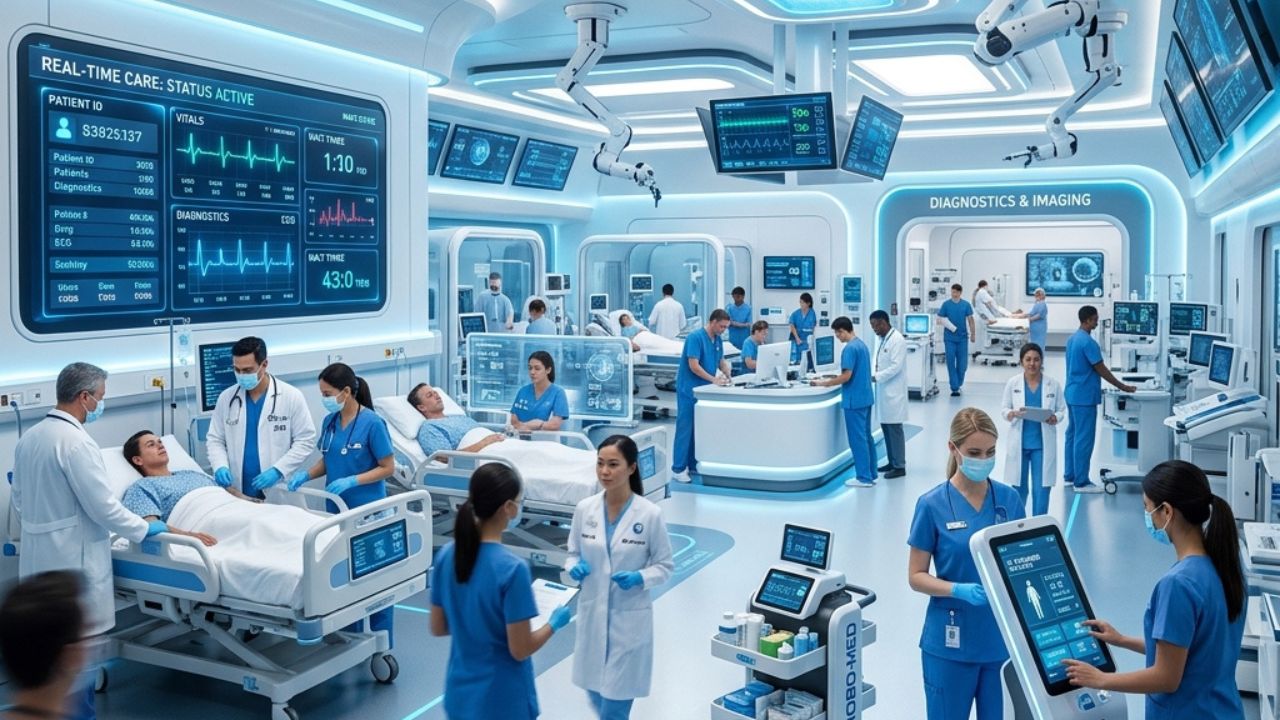
When a medical emergency strikes, every second matters. Hospitals with advanced emergency response systems are designed to recognize life-threatening conditions quickly, coordinate specialized medical teams without delay, and begin treatment as fast as possible. Across the United States, leading institutions such as Massachusetts General Hospital, Mayo Clinic, Johns Hopkins Hospital, Cleveland Clinic, and Stanford Health Care have built sophisticated emergency response programs that combine advanced technology, highly trained specialists, and proven treatment protocols to improve survival rates for patients facing critical illnesses and traumatic injuries.
Emergency medicine has evolved far beyond the traditional emergency room model. Today’s top hospitals rely on integrated systems that connect ambulance services, emergency physicians, surgeons, specialists, diagnostic imaging, laboratories, and intensive care units into one coordinated network. This seamless approach allows healthcare professionals to make faster decisions, reduce treatment delays, and deliver lifesaving care during the most critical moments.
As medical technology continues advancing, hospitals are increasingly using artificial intelligence, telemedicine, predictive analytics, and digital health records to support emergency teams. These innovations help physicians identify serious conditions earlier, streamline patient movement throughout the hospital, and improve communication between departments before patients even arrive at the emergency department.
This guide explores how Advanced Emergency Response Systems (AERS) work, why they have become essential in modern healthcare, and which hospitals in the United States are leading the way through innovation, rapid response, and exceptional emergency care.
Understanding Advanced Emergency Response Systems
An Advanced Emergency Response System, commonly referred to as AERS, is a coordinated approach to emergency medical care that brings together technology, specialized medical teams, and standardized treatment procedures to provide rapid care for critically ill or injured patients.
Rather than focusing only on treatment after a patient reaches the emergency room, AERS improves every stage of emergency care—from ambulance transport and patient assessment to diagnosis, surgery, and intensive care.
The goal is simple: reduce delays and improve patient outcomes.
Core Components of an Advanced Emergency Response System
Modern emergency response programs rely on several interconnected elements working together.
Advanced Medical Technology
Technology plays a central role in accelerating emergency care.
Many leading hospitals now use:
- Artificial intelligence to support triage decisions
- Telemedicine for remote specialist consultations
- Point-of-care diagnostic testing
- Digital imaging systems
- Integrated Electronic Health Records (EHRs)
- Real-time patient monitoring
These tools allow physicians to review medical histories, allergies, medications, and diagnostic information almost instantly, helping emergency teams make faster and more informed treatment decisions.
Standardized Emergency Protocols
Technology alone isn’t enough.
Hospitals also rely on carefully designed clinical protocols that guide emergency teams through high-pressure situations.
These protocols often include:
- Rapid triage procedures
- Trauma activation pathways
- Stroke response protocols
- Heart attack response teams
- Emergency communication workflows
- Coordinated operating room preparation
Having clearly defined procedures allows multiple departments to begin preparing simultaneously rather than waiting for each step to finish before starting the next.
Highly Specialized Medical Teams
Successful emergency response depends on experienced healthcare professionals.
Leading emergency departments typically include:
- Emergency medicine physicians
- Trauma surgeons
- Critical care specialists
- Neurologists
- Cardiologists
- Emergency nurses
- Respiratory therapists
- Paramedics
These professionals participate in continuous education, simulation training, and emergency drills to ensure they can respond efficiently during high-stress situations.
Why Advanced Emergency Response Systems Matter
Medical emergencies often involve conditions where minutes—or even seconds—can determine survival and long-term recovery.
Rapid treatment is especially important for emergencies such as:
- Heart attacks
- Strokes
- Severe traumatic injuries
- Internal bleeding
- Sepsis
- Respiratory failure
Advanced Emergency Response Systems help hospitals reduce treatment delays by improving coordination across departments.
Better Patient Outcomes
Research consistently shows that faster treatment leads to better outcomes.
Hospitals with well-developed emergency response programs often achieve:
- Faster diagnosis
- Shorter treatment times
- Lower complication rates
- Higher survival rates
- Improved recovery outcomes
For example, reducing the time between a patient’s arrival and treatment for a stroke or heart attack can significantly decrease permanent organ damage and improve long-term quality of life.
Improved Hospital Efficiency
Advanced emergency systems don’t only benefit patients—they also improve hospital operations.
Efficient emergency departments help reduce:
- Waiting times
- Emergency room overcrowding
- Delays in patient transfers
- Treatment bottlenecks
- Bed shortages
By coordinating staff and resources more effectively, hospitals can provide timely care while making better use of available facilities.
How Leading Emergency Hospitals Are Evaluated
Determining which hospitals provide the strongest emergency care involves analyzing a wide range of performance measures rather than relying on reputation alone.
Healthcare organizations evaluate hospitals using objective quality indicators that reflect both patient outcomes and operational performance.
Some of the most important evaluation factors include:
- Emergency response times
- Trauma survival rates
- Stroke treatment performance
- Heart attack treatment speed
- Intensive care capabilities
- Technology integration
- Staff training and certifications
- Disaster preparedness
- Clinical research contributions
Hospitals are also assessed on how effectively they coordinate care across departments during emergencies and how consistently they follow evidence-based treatment protocols.
Independent healthcare organizations, accreditation agencies, and clinical research groups regularly analyze these performance indicators when identifying leading emergency care providers.
Hospitals Recognized for Advanced Emergency Response
Several healthcare organizations consistently stand out for their ability to deliver rapid, coordinated emergency care while investing in innovative technologies and specialized treatment programs.
Massachusetts General Hospital
Massachusetts General Hospital has earned a reputation as one of the nation’s leading emergency and trauma centers.
As a Level 1 Adult and Pediatric Trauma Center, the hospital manages some of the most complex emergency cases in the northeastern United States.
Its emergency response program incorporates artificial intelligence to support patient triage, helping clinicians identify high-risk cases more quickly.
Massachusetts General also operates highly organized stroke response pathways that activate multidisciplinary care teams before patients arrive at the hospital.
Additional strengths include:
- Dedicated medical helicopter transport
- Advanced disaster response planning
- Specialized neuro-emergency services
- Mobile emergency medical units
- Comprehensive trauma care
Its ability to coordinate large-scale emergency responses has made the hospital a recognized leader in disaster preparedness and critical care.
Mayo Clinic
Mayo Clinic is internationally known for combining advanced medical expertise with a patient-centered approach.
Its emergency response system places strong emphasis on rapid diagnosis, seamless coordination, and expanding access to expert care through telemedicine.
One of Mayo Clinic’s greatest strengths is its extensive telehealth network, which allows emergency physicians at smaller hospitals to consult directly with Mayo specialists during complex medical emergencies.
Within its emergency department, advanced imaging services are located close to treatment areas, reducing delays for critically ill patients who require immediate diagnostic testing.
The organization also invests heavily in simulation-based emergency training, helping physicians, nurses, and emergency personnel continuously improve their skills before facing real-life emergencies.
Johns Hopkins Hospital
Johns Hopkins Hospital has long been recognized for excellence in trauma care, emergency medicine, and critical care services. As a Level 1 Trauma Center, the hospital treats a high volume of critically injured patients while continuously advancing research in emergency medicine.
One of its biggest strengths is the use of predictive analytics to support clinical decision-making.
By analyzing information from electronic health records, laboratory results, and patient vital signs, AI-powered systems help clinicians recognize early warning signs of serious conditions before symptoms become severe.
This technology assists emergency teams in identifying patients who may be at risk for:
- Sepsis
- Cardiac complications
- Respiratory failure
- Organ dysfunction
- Rapid clinical deterioration
Johns Hopkins also maintains close collaboration with local emergency medical services (EMS).
Paramedics can transmit important patient information while transporting individuals to the hospital, allowing emergency physicians to prepare treatment plans before the ambulance arrives.
Beyond emergency care, the hospital actively participates in community education programs focused on injury prevention, stroke awareness, and emergency preparedness, helping reduce preventable medical emergencies throughout the region.
Cleveland Clinic
The Cleveland Clinic is widely known for excellence in cardiovascular medicine, neurology, and complex surgical care. Those same strengths extend into one of the country’s most efficient emergency response programs.
Handling thousands of emergency visits each year requires exceptional coordination.
To improve patient flow, Cleveland Clinic uses an advanced split-flow triage model.
Instead of treating every emergency patient through a single pathway, clinicians quickly separate patients based on the severity of their conditions.
This approach allows:
- Critical patients to receive immediate attention.
- Patients with less serious conditions to receive timely treatment without delaying emergency cases.
- Better use of hospital resources.
- Reduced emergency department congestion.
The hospital has also earned recognition for its exceptionally fast “door-to-balloon” times for patients experiencing heart attacks.
Door-to-balloon time measures how quickly physicians restore blood flow by opening blocked coronary arteries after a patient arrives at the emergency department.
Reducing this treatment time significantly improves survival rates while limiting permanent heart damage.
In addition to serving patients locally, Cleveland Clinic shares many of its emergency response practices with affiliated hospitals around the world, helping improve emergency care beyond its own facilities.
Stanford Health Care
Located in the heart of Silicon Valley, Stanford Health Care combines world-class clinical expertise with continuous technological innovation.
Its emergency response system reflects the hospital’s commitment to adopting emerging healthcare technologies that improve patient care.
As a Level 1 Trauma Center, Stanford treats patients with severe injuries while also conducting research that shapes the future of emergency medicine.
One area where Stanford stands out is its integration of advanced digital technologies into emergency care.
Examples include:
- Artificial intelligence-assisted diagnostics
- Augmented reality surgical planning
- Advanced medical imaging
- Precision medicine initiatives
- Clinical decision-support systems
Augmented reality technology helps surgeons visualize complex injuries before and during certain procedures, improving precision in difficult trauma cases.
Stanford also operates a highly specialized pediatric emergency department designed specifically for infants, children, and adolescents.
Child-focused emergency protocols, specialized equipment, and pediatric-trained emergency professionals ensure younger patients receive age-appropriate care during medical emergencies.
Because Stanford is closely connected with Stanford University, patients may also have opportunities to participate in innovative clinical research evaluating next-generation emergency treatments and diagnostic technologies.
The Future of Advanced Emergency Response Systems
Emergency medicine continues evolving as hospitals adopt smarter technologies and more connected healthcare systems.
Artificial intelligence is expected to become even more integrated into emergency departments, assisting physicians with real-time clinical decision-making while continuously monitoring patient conditions.
Future AI systems may be capable of:
- Detecting internal bleeding earlier
- Predicting respiratory failure
- Identifying early signs of stroke
- Recognizing hidden infections
- Supporting treatment recommendations
These technologies won’t replace emergency physicians but will provide additional clinical insights that help healthcare teams respond faster.
Expanding Telemedicine in Emergency Care
Telemedicine is also expected to play a larger role before patients even reach the hospital.
Future emergency response models may allow specialists to assist paramedics remotely through high-definition video connections.
Using wearable monitoring devices and live medical data, emergency physicians could guide life-saving procedures while patients are still inside ambulances or community healthcare facilities.
This type of pre-hospital emergency care could significantly reduce treatment delays, particularly in rural or underserved communities where specialist access remains limited.
Smarter Hospitals Through Connected Technology
Hospitals are increasingly connecting emergency departments with laboratories, imaging centers, ambulances, intensive care units, and operating rooms through integrated digital systems.
These connected healthcare networks allow patient information to move instantly between care teams, reducing unnecessary delays and improving communication throughout the treatment process.
As technology continues advancing, emergency departments will become more predictive, coordinated, and efficient—ultimately providing faster and safer care for patients experiencing life-threatening medical emergencies.
Advanced Emergency Response Systems have transformed the way hospitals respond to life-threatening medical emergencies. By combining experienced healthcare professionals with cutting-edge technology, standardized treatment protocols, and coordinated communication, these systems help reduce treatment delays and improve patient outcomes when every minute matters.
Leading medical centers such as Massachusetts General Hospital, Mayo Clinic, Johns Hopkins Hospital, Cleveland Clinic, and Stanford Health Care continue setting high standards for emergency medicine. Their investments in artificial intelligence, telemedicine, predictive analytics, trauma care, and specialized emergency teams demonstrate how innovation can improve both the speed and quality of patient care.
However, advanced technology alone is not enough. Successful emergency care depends on highly trained physicians, nurses, surgeons, paramedics, and support staff working together under well-established clinical protocols. Continuous training, regular emergency simulations, and ongoing research ensure these hospitals remain prepared for everything from everyday emergencies to large-scale disasters.
As healthcare technology continues to evolve, emergency departments are expected to become even more connected and data-driven. Future advancements in AI-assisted diagnostics, remote emergency consultations, wearable health monitoring, and predictive analytics will further strengthen hospitals’ ability to deliver faster, safer, and more personalized emergency care.
For patients and families, understanding which hospitals excel in emergency response can be valuable when making healthcare decisions. Choosing a medical center with advanced emergency capabilities may significantly improve outcomes during critical situations where rapid treatment is essential.
Frequently Asked Questions (FAQs)
What is an Advanced Emergency Response System (AERS)?
An Advanced Emergency Response System (AERS) is a coordinated healthcare framework that combines medical technology, specialized healthcare professionals, standardized emergency protocols, and real-time communication to provide rapid treatment during medical emergencies. Its primary goal is to reduce response times and improve patient survival.
Why are Advanced Emergency Response Systems important?
Medical emergencies such as heart attacks, strokes, severe trauma, and sepsis require immediate treatment. AERS helps hospitals recognize critical conditions quickly, coordinate multiple medical teams simultaneously, and begin treatment without unnecessary delays, improving patient outcomes and reducing complications.
Which hospitals are considered leaders in emergency response?
Several U.S. hospitals are widely recognized for their advanced emergency care capabilities, including:
- Massachusetts General Hospital
- Mayo Clinic
- Johns Hopkins Hospital
- Cleveland Clinic
- Stanford Health Care
These institutions invest heavily in advanced technology, specialized trauma programs, emergency research, and highly trained medical teams.
What technologies are commonly used in modern emergency departments?
Leading emergency departments increasingly rely on technologies such as:
- Artificial intelligence for clinical decision support
- Telemedicine consultations
- Electronic Health Records (EHRs)
- Advanced CT and MRI imaging
- Point-of-care diagnostic testing
- Remote patient monitoring
- Predictive analytics
- Real-time communication systems
These technologies help clinicians diagnose conditions faster and coordinate treatment more efficiently.
How does artificial intelligence improve emergency care?
Artificial intelligence assists emergency physicians by analyzing medical images, reviewing patient records, monitoring vital signs, and identifying patterns associated with serious medical conditions.
AI can help healthcare teams:
- Prioritize high-risk patients during triage.
- Detect strokes and internal bleeding more quickly.
- Identify early signs of sepsis.
- Monitor patients for clinical deterioration.
- Support faster treatment decisions.
AI serves as a decision-support tool while physicians continue making final clinical judgments.
What is a Level 1 Trauma Center?
A Level 1 Trauma Center provides the highest level of emergency trauma care available.
These hospitals maintain:
- 24-hour access to trauma surgeons
- Comprehensive surgical specialties
- Advanced critical care units
- Specialized trauma teams
- Research and education programs
- Ongoing trauma prevention initiatives
They are equipped to manage the most severe and complex injuries at any time.
Can telemedicine be used during emergencies?
Yes.
Telemedicine has become an important part of emergency medicine, particularly for stroke care, trauma consultations, and rural healthcare.
Emergency physicians and specialists can evaluate patients remotely through secure video connections, review medical imaging, and guide treatment decisions before patients are transferred to larger medical centers.
How do hospitals prepare for large-scale emergencies?
Hospitals conduct regular emergency preparedness training that includes:
- Disaster response drills
- Mass casualty simulations
- Trauma team exercises
- Emergency communication testing
- Coordination with local EMS, fire departments, and law enforcement
These exercises help ensure medical teams can respond efficiently during natural disasters, public health emergencies, or large accident events.
Does emergency treatment differ between hospitals?
Yes.
While all emergency departments provide urgent medical care, hospitals with advanced emergency response systems often have greater access to specialized physicians, trauma surgeons, advanced imaging technology, intensive care services, and comprehensive treatment protocols.
These additional resources can make a significant difference for patients experiencing severe or complex medical emergencies.
What does the future of emergency medicine look like?
Emergency medicine is expected to continue advancing through technologies such as artificial intelligence, predictive analytics, wearable health monitoring, robotics, expanded telemedicine, and connected hospital systems.
These innovations will help healthcare providers diagnose conditions earlier, coordinate care more effectively, and deliver faster treatment while maintaining high standards of patient safety and quality care.