Author: Bhargav

  • How Artificial Intelligence Is Reshaping Healthcare in American Hospitals

    How Artificial Intelligence Is Reshaping Healthcare in American Hospitals

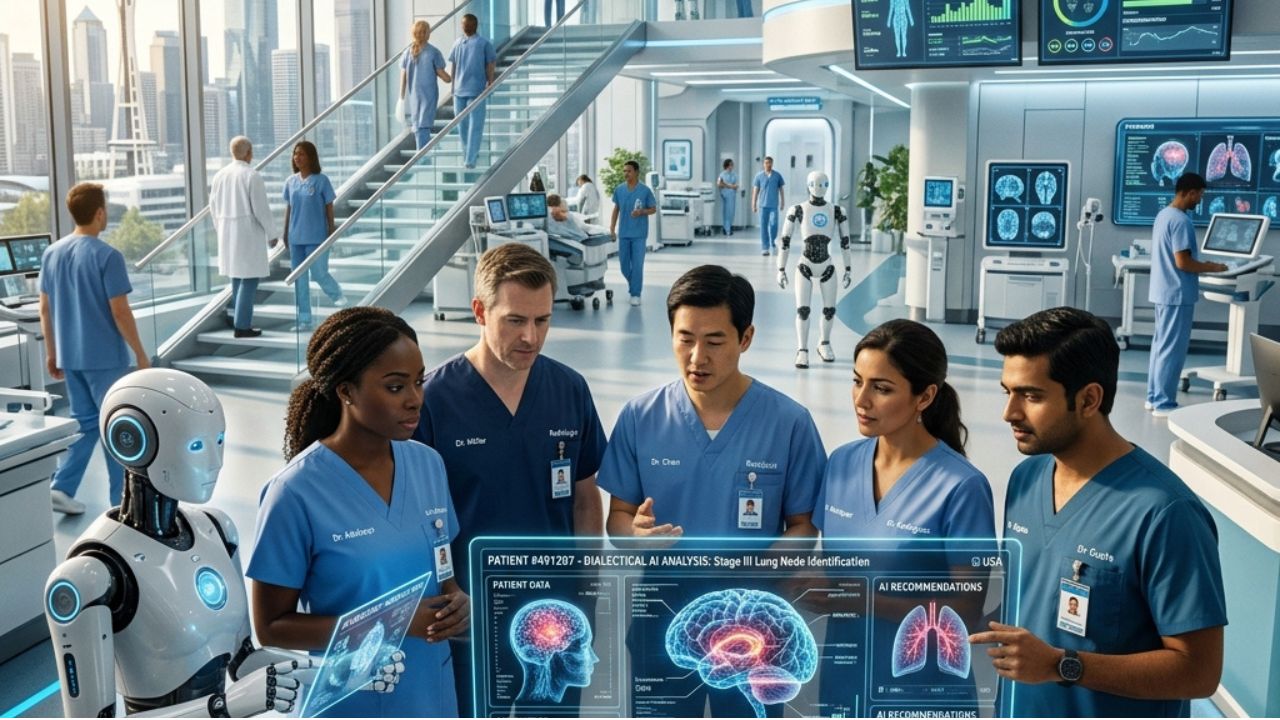
    Artificial intelligence is no longer a futuristic concept in healthcare—it’s becoming an essential part of how many hospitals operate every day. Across the United States, healthcare organizations are using AI to improve efficiency, support clinical decision-making, reduce administrative workloads, and deliver more personalized patient care.

    As hospitals continue to face rising costs, workforce shortages, and increasing patient demands, AI is helping healthcare professionals work smarter rather than harder. Instead of replacing doctors and nurses, these technologies assist them by analyzing large amounts of medical data, identifying patterns that may otherwise go unnoticed, and automating repetitive tasks that consume valuable time.

    From scheduling appointments and managing patient records to assisting with medical imaging and predicting disease risks, AI is transforming nearly every aspect of hospital operations. Healthcare leaders increasingly view these technologies as practical solutions that can improve patient outcomes while making hospitals more efficient and sustainable.

    In this guide, we’ll explore why artificial intelligence has become such an important part of modern healthcare, the challenges it’s helping hospitals overcome, and the ways AI is changing both clinical care and hospital management.

    Why Are Hospitals Turning to Artificial Intelligence?

    Hospitals today operate in an increasingly demanding environment. Growing patient populations, limited healthcare staff, rising operational expenses, and expanding volumes of medical data have created challenges that traditional systems often struggle to manage efficiently.

    Artificial intelligence provides new ways to address these issues by supporting faster decision-making, improving workflow efficiency, and helping healthcare providers focus more on patient care instead of administrative responsibilities.

    Rather than replacing human expertise, AI serves as an intelligent assistant that processes information quickly and provides valuable insights to clinicians and hospital administrators.

    The Biggest Challenges Facing Modern Hospitals

    Before understanding AI’s impact, it’s important to recognize the problems hospitals are trying to solve.

    Healthcare Workforce Shortages

    One of the greatest challenges facing American hospitals is the growing shortage of healthcare professionals. Many organizations continue to struggle with recruiting physicians, nurses, and experienced clinical staff while existing employees face increasing workloads and burnout.

    As patient numbers continue to grow, hospitals must find ways to maintain high-quality care without placing additional pressure on already overworked healthcare teams.

    Artificial intelligence helps reduce this burden by automating routine administrative work, allowing medical professionals to spend more time caring for patients rather than completing paperwork.

    Rising Operating Costs

    Providing healthcare has become significantly more expensive over the past decade.

    Hospitals must manage staffing expenses, medical equipment, insurance requirements, technology investments, and complex administrative processes while continuing to deliver safe and effective patient care.

    Administrative tasks such as medical coding, billing, appointment scheduling, insurance verification, and documentation consume substantial financial and human resources. AI-powered automation helps simplify many of these processes, reducing unnecessary costs while improving overall efficiency.

    Managing Massive Amounts of Medical Data

    Every hospital generates enormous amounts of information each day.

    Electronic health records, laboratory reports, medical imaging, prescription histories, physician notes, insurance claims, and monitoring devices all contribute to a growing pool of healthcare data.

    Although this information is incredibly valuable, it can be difficult for healthcare professionals to review and analyze quickly.

    Artificial intelligence excels at processing large datasets in seconds, helping clinicians identify important trends, highlight potential risks, and organize patient information more effectively.

    Improving Diagnostic Accuracy

    Even highly experienced physicians face difficult diagnostic decisions every day.

    Medical conditions often present similar symptoms, while patients with multiple health problems require careful evaluation before an accurate diagnosis can be made.

    AI-powered clinical support systems analyze medical images, laboratory findings, patient histories, and research data to assist physicians in making more informed decisions. These tools help reduce the possibility of missed findings while providing an additional layer of confidence during complex cases.

    How Artificial Intelligence Is Improving Hospital Operations

    While many people associate AI with advanced medical technology, some of its greatest benefits are happening behind the scenes.

    Hospital administrators are increasingly using artificial intelligence to improve efficiency across everyday operations.

    Reducing Administrative Work

    Administrative responsibilities consume a significant portion of a healthcare professional’s day.

    Tasks such as documenting patient visits, scheduling appointments, processing insurance claims, generating billing codes, and maintaining medical records require countless hours of manual work.

    Modern AI software can automatically organize clinical documentation, convert physician conversations into structured medical notes, assist with coding, and streamline billing processes.

    By reducing paperwork, healthcare providers gain more time to interact directly with patients while hospitals improve operational efficiency.

    Smarter Appointment Scheduling

    Scheduling patients is far more complex than simply filling available appointment slots.

    Hospitals must consider physician availability, treatment duration, patient urgency, cancellations, and historical attendance patterns.

    AI-powered scheduling systems analyze these factors automatically, helping hospitals reduce missed appointments, shorten waiting times, and make better use of available resources.

    Patients benefit from faster scheduling while hospitals improve overall productivity.

    Better Patient Flow Throughout the Hospital

    Managing patient movement from admission through discharge is another major operational challenge.

    When emergency departments become overcrowded or inpatient beds remain unavailable, delays quickly affect the entire hospital.

    Artificial intelligence helps predict patient admissions, expected discharge times, and bed availability using historical trends and real-time hospital data.

    This allows hospital administrators to allocate staff, equipment, and beds more efficiently, reducing bottlenecks and improving patient flow throughout the facility.

    Smarter Supply Chain Management

    Hospitals rely on thousands of medical supplies every day—from medications and surgical equipment to protective gear and laboratory materials.

    Running out of essential supplies can delay treatment, while overstocking increases unnecessary costs.

    AI forecasting systems analyze patient demand, seasonal illness patterns, and historical purchasing data to help hospitals maintain the right inventory levels.

    This improves resource planning while reducing waste and ensuring critical supplies remain available when patients need them most.

    In the next part, we’ll explore how artificial intelligence is transforming clinical care through advanced diagnostics, personalized treatment planning, predictive analytics, patient engagement, and what the future of AI in American hospitals looks like.

    How AI Is Transforming Clinical Care

    Artificial intelligence is making some of its biggest contributions inside the clinical setting, where speed and accuracy can directly influence patient outcomes. Rather than replacing healthcare professionals, AI acts as a powerful decision-support tool that helps doctors analyze medical information faster, identify potential health risks earlier, and recommend more personalized treatment strategies.

    As hospitals continue adopting AI technologies, physicians can spend less time searching through records and more time focusing on patient care.

    Improving Medical Imaging and Diagnostics

    Medical imaging has become one of the most successful applications of artificial intelligence in healthcare.

    Every day, radiologists review hundreds of X-rays, CT scans, MRIs, and other diagnostic images. Even experienced specialists can face challenges when interpreting large volumes of complex cases under time pressure.

    AI-powered imaging systems help by scanning medical images within seconds and highlighting suspicious areas that may require closer examination. These systems are trained using millions of medical images, allowing them to recognize patterns associated with conditions such as cancer, fractures, lung disease, stroke, and eye disorders.

    Instead of replacing radiologists, AI provides a valuable second review that helps prioritize urgent cases, reduce diagnostic delays, and improve overall accuracy.

    Supporting Personalized Treatment Plans

    Every patient responds differently to treatment.

    Factors such as age, genetics, medical history, existing health conditions, medications, and lifestyle all influence how diseases develop and how treatments perform.

    Artificial intelligence helps physicians evaluate these variables by analyzing large datasets and identifying treatment approaches that may offer the best outcomes for each individual.

    This personalized approach has become especially valuable in cancer care, where AI assists oncologists in reviewing research studies, patient histories, and genetic information to recommend therapies tailored to each patient’s specific diagnosis.

    As precision medicine continues to evolve, AI is expected to play an even greater role in creating individualized treatment plans across multiple medical specialties.

    Predicting Health Risks Before They Become Emergencies

    One of AI’s greatest strengths is its ability to recognize subtle warning signs before a patient’s condition becomes critical.

    By continuously analyzing electronic health records, laboratory results, vital signs, and monitoring devices, AI systems can identify patients who may be at higher risk of complications.

    Hospitals are increasingly using predictive analytics to detect conditions such as sepsis, heart failure, kidney injury, and respiratory decline hours before obvious symptoms appear.

    Earlier detection allows healthcare teams to begin treatment sooner, improving recovery rates while reducing emergency interventions and intensive care admissions.

    Accelerating Medical Research and Drug Development

    Artificial intelligence is also changing how new treatments are discovered.

    Developing a new medication traditionally requires years of laboratory research, clinical testing, and regulatory review. AI can significantly speed up the early stages of this process by analyzing enormous amounts of biological and pharmaceutical data within a fraction of the time.

    Researchers use AI to identify promising drug candidates, predict how molecules may interact, and prioritize therapies that deserve further investigation.

    Hospitals participating in clinical research also benefit from AI by identifying eligible patients for clinical trials more efficiently, helping accelerate medical discoveries while expanding treatment options for patients.

    Improving the Patient Experience

    AI isn’t only helping physicians—it is also improving how patients interact with hospitals throughout their healthcare journey.

    Virtual Assistants and AI Chatbots

    Many hospitals now offer AI-powered virtual assistants that provide patients with quick access to important information.

    These digital tools can answer frequently asked questions, help schedule appointments, provide medication reminders, explain discharge instructions, and guide patients toward appropriate healthcare services.

    Because these systems operate around the clock, patients can receive assistance without waiting for office hours or speaking directly with hospital staff.

    Remote Patient Monitoring

    Healthcare is no longer limited to hospital buildings.

    AI-powered remote monitoring allows patients with chronic conditions to remain safely at home while healthcare providers continue tracking their health.

    Wearable devices measure heart rate, blood pressure, oxygen levels, glucose readings, and other vital signs, sending information directly to healthcare teams.

    If AI detects abnormal patterns, clinicians receive alerts that allow them to intervene before a patient’s condition worsens.

    This technology has become particularly valuable for managing heart disease, diabetes, respiratory illnesses, and post-surgical recovery while reducing unnecessary hospital readmissions.

    Creating More Personalized Care

    Hospitals are increasingly using AI to make healthcare more convenient and patient-centered.

    Some facilities now use smart hospital rooms that automatically adjust lighting, temperature, and entertainment preferences to improve patient comfort.

    AI also helps simplify complex medical information by translating clinical terminology into language patients can more easily understand, allowing them to make better-informed decisions about their care.

    By improving communication and personalization, hospitals can create a more supportive healthcare experience from admission through recovery.

    What Does the Future of AI in Hospitals Look Like?

    Artificial intelligence continues to evolve rapidly, and healthcare is expected to benefit even more in the coming years.

    Robotic-assisted surgery is becoming increasingly advanced, allowing surgeons to perform highly precise procedures using minimally invasive techniques that often reduce complications and shorten recovery times.

    Generative AI is also beginning to assist physicians with summarizing patient records, preparing referral letters, documenting clinical visits, and retrieving important medical information in seconds.

    At the same time, hospitals must address important issues surrounding data privacy, cybersecurity, transparency, and ethical AI use. Healthcare organizations are working closely with regulators and technology providers to ensure AI systems remain safe, accurate, and trustworthy.

    As these technologies mature, artificial intelligence is expected to become a standard part of everyday hospital operations rather than a specialized innovation.

    How Hospitals Can Successfully Adopt AI

    Implementing artificial intelligence is about much more than purchasing new software. Hospitals need a clear strategy that aligns technology with patient care, operational efficiency, and long-term organizational goals.

    Healthcare leaders who achieve the greatest success typically begin by identifying areas where AI can solve real problems rather than introducing technology simply because it’s available.

    Focus on High-Impact Opportunities

    Not every hospital department requires AI immediately.

    Many organizations begin by improving administrative processes such as appointment scheduling, medical documentation, insurance verification, or billing. Once these systems demonstrate measurable improvements, hospitals gradually expand AI into clinical decision support, diagnostics, and patient monitoring.

    Starting with targeted projects allows hospitals to evaluate results while minimizing disruption to everyday operations.

    Invest in Staff Training

    Artificial intelligence works best when healthcare professionals understand how to use it effectively.

    Doctors, nurses, technicians, and administrative teams should receive ongoing training that explains how AI systems function, how recommendations are generated, and where human judgment remains essential.

    Rather than replacing clinical expertise, AI should be viewed as a tool that strengthens decision-making while allowing healthcare professionals to spend more time with patients.

    Build Strong Data Infrastructure

    AI depends on high-quality information.

    Hospitals must ensure electronic health records, laboratory systems, imaging platforms, and administrative databases are accurate, secure, and well integrated. Clean, organized data enables AI systems to generate reliable insights and reduces the likelihood of inaccurate recommendations.

    Investing in strong digital infrastructure also makes future AI expansion much easier.

    Prioritize Privacy and Ethical Use

    Protecting patient information remains one of healthcare’s highest responsibilities.

    Hospitals adopting AI must comply with healthcare privacy regulations while maintaining strong cybersecurity practices. Patient data should be securely stored, carefully monitored, and accessed only by authorized personnel.

    Healthcare organizations must also evaluate AI systems for fairness and transparency, ensuring recommendations remain unbiased and support equitable patient care across diverse populations.

    AI Will Support Healthcare—Not Replace It

    A common misconception is that artificial intelligence will eventually replace doctors and nurses. In reality, AI is designed to enhance human expertise rather than eliminate it.

    Healthcare involves empathy, communication, ethical judgment, and complex decision-making that technology cannot replicate.

    Instead, AI handles repetitive and data-intensive tasks that consume valuable time. By automating documentation, identifying clinical patterns, organizing medical records, and assisting with routine processes, AI allows healthcare professionals to focus on what matters most—caring for patients.

    The most successful hospitals will likely be those that combine advanced technology with experienced medical teams, creating a healthcare environment where people and technology work together.

    Final Thoughts

    Artificial intelligence is rapidly becoming an important part of modern healthcare, helping hospitals improve efficiency, reduce administrative burdens, strengthen clinical decision-making, and deliver more personalized patient care.

    From assisting radiologists with medical imaging to predicting patient deterioration, optimizing hospital operations, and supporting remote patient monitoring, AI is transforming nearly every aspect of healthcare delivery.

    While challenges related to privacy, ethics, and implementation remain, the potential benefits are substantial. Hospitals that invest thoughtfully in artificial intelligence can improve patient outcomes, streamline operations, reduce costs, and better support their healthcare workforce.

    Ultimately, the future of healthcare is unlikely to be driven by artificial intelligence alone. Instead, it will be shaped by collaboration between skilled healthcare professionals and intelligent technologies that help them provide safer, faster, and more effective care.

    Frequently Asked Questions

    What are the most common uses of AI in hospitals?

    Hospitals use AI for a wide range of applications, including medical imaging analysis, electronic health record management, appointment scheduling, medical documentation, predictive analytics, patient monitoring, administrative automation, and virtual patient support.

    Can artificial intelligence replace doctors?

    No. AI is designed to support healthcare professionals rather than replace them. Physicians continue to make medical decisions, diagnose illnesses, and develop treatment plans, while AI assists by analyzing data, identifying patterns, and automating repetitive tasks.

    How does AI improve patient care?

    AI helps hospitals deliver faster diagnoses, personalized treatment recommendations, earlier detection of medical complications, improved communication, and more efficient hospital operations. These improvements often lead to better patient experiences and improved health outcomes.

    What are the biggest challenges of using AI in healthcare?

    Some of the primary challenges include protecting patient privacy, maintaining cybersecurity, integrating AI with existing hospital systems, reducing algorithm bias, ensuring regulatory compliance, and providing adequate staff training.

    Is AI only used in large hospitals?

    No. While many large academic medical centers were early adopters, AI technologies are becoming increasingly accessible to community hospitals, outpatient clinics, and smaller healthcare organizations. Cloud-based platforms and scalable AI solutions are making advanced technologies more affordable for healthcare providers of all sizes.

    What does the future of AI in healthcare look like?

    Artificial intelligence is expected to become even more integrated into everyday healthcare. Future developments will likely include more accurate diagnostic support, expanded personalized medicine, advanced robotic surgery, smarter hospital management systems, improved remote patient monitoring, and greater use of generative AI to simplify clinical documentation and administrative workflows.


  • America’s Best Wellness Hospitals: Where Healthcare Meets Whole-Person Wellness

    America’s Best Wellness Hospitals: Where Healthcare Meets Whole-Person Wellness

    For decades, hospitals have primarily been viewed as places to seek treatment after illness or injury. Today, however, healthcare is evolving. Many of America’s leading medical institutions are shifting their focus from simply treating disease to helping people stay healthy, prevent chronic conditions, and improve their overall quality of life.

    This transformation has given rise to wellness hospitals—medical centers that combine traditional healthcare with preventive medicine, nutrition, mental health services, lifestyle coaching, and complementary therapies. Instead of focusing only on symptoms, these hospitals take a more comprehensive approach by addressing the physical, emotional, and mental aspects of a person’s health.

    The growing popularity of wellness-focused care reflects an important reality. Millions of Americans live with chronic diseases such as diabetes, heart disease, obesity, and hypertension—many of which can be prevented or better managed through healthier lifestyle choices. Rather than waiting until these conditions become severe, wellness hospitals encourage early intervention, education, and long-term health planning.

    In this guide, we’ll explore what makes wellness hospitals different from traditional medical centers, the qualities that define America’s leading wellness institutions, and why more patients are choosing a proactive approach to healthcare.

    What Is a Wellness Hospital?

    Unlike conventional hospitals that primarily diagnose and treat illness, wellness hospitals are designed to help people maintain good health before serious medical problems develop. They combine modern medical treatment with preventive healthcare strategies that encourage healthier living and long-term wellbeing.

    Rather than treating one illness at a time, wellness hospitals look at the bigger picture. They consider how nutrition, exercise, sleep, stress management, emotional wellbeing, and lifestyle habits all work together to influence overall health.

    This patient-centered approach allows healthcare providers to identify potential risks early while creating personalized plans that support healthier lives.

    How Wellness Hospitals Differ from Traditional Hospitals

    Although both types of hospitals provide high-quality medical care, their overall philosophy is quite different.

    Whole-Person Healthcare

    One of the biggest differences is the focus on treating the entire individual rather than just a medical condition.

    Patients often receive care from a multidisciplinary team that may include physicians, psychologists, dietitians, physical therapists, wellness coaches, and behavioral health specialists. These professionals work together to develop treatment plans that address every aspect of a patient’s health instead of concentrating on a single diagnosis.

    For example, someone managing heart disease may also receive nutritional counseling, stress management support, exercise planning, and mental health services—all as part of one coordinated program.

    Greater Emphasis on Prevention

    Preventing illness is a major priority at wellness hospitals.

    Instead of waiting until health problems become severe, physicians focus on identifying risk factors early through detailed health assessments, screenings, and lifestyle evaluations. Patients receive personalized recommendations designed to reduce their risk of developing chronic diseases while improving their overall health.

    Preventive programs commonly include:

    • Comprehensive health evaluations
    • Nutrition counseling
    • Weight management
    • Cardiovascular risk assessments
    • Diabetes prevention programs
    • Personalized fitness planning
    • Smoking cessation support

    These services help patients make sustainable lifestyle changes before medical conditions become more difficult to manage.

    Healing Environments That Support Recovery

    The physical environment can influence both healing and emotional wellbeing.

    Many wellness hospitals are intentionally designed to reduce stress and create a calming atmosphere for patients and families. Instead of sterile surroundings alone, these facilities often incorporate natural lighting, comfortable patient rooms, quiet spaces, gardens, walking paths, and wellness areas that promote relaxation during recovery.

    Research continues to show that peaceful environments can improve patient satisfaction while supporting both physical and emotional healing.

    Integrative Therapies Alongside Conventional Medicine

    Leading wellness hospitals frequently combine evidence-based complementary therapies with traditional medical care.

    Depending on the patient’s needs, treatment plans may include services such as mindfulness training, yoga therapy, acupuncture, massage therapy, meditation, breathing exercises, or stress reduction programs.

    These therapies are not intended to replace conventional medicine. Instead, they are used alongside medical treatments to improve comfort, reduce stress, manage chronic pain, and enhance overall wellbeing.

    Because these programs are supervised by trained healthcare professionals, patients receive coordinated care rather than isolated alternative treatments.

    What Makes America’s Best Wellness Hospitals Stand Out?

    Not every hospital offering wellness services provides the same level of care. The country’s top wellness hospitals have earned their reputations through years of clinical excellence, patient satisfaction, and continuous innovation.

    Several factors set these institutions apart.

    Strong Clinical Reputation

    Leading wellness hospitals continue to deliver exceptional medical care while expanding their focus to include prevention and healthy living. Their physicians are recognized experts across multiple specialties, allowing patients to receive comprehensive care under one roof.

    High Patient Satisfaction

    Patients consistently report positive experiences at hospitals where communication, personalized attention, coordinated care, and emotional support are prioritized.

    Healthcare is about more than successful procedures—it is also about making patients feel informed, respected, and involved throughout their treatment journey.

    Innovation in Preventive Healthcare

    America’s best wellness hospitals invest heavily in research and continuously develop new programs that encourage healthier lifestyles.

    Many institutions study nutrition, behavioral medicine, exercise science, stress management, and chronic disease prevention to improve patient outcomes. These innovations often become models that influence healthcare systems nationwide.

    Community Health Programs

    True wellness extends beyond hospital walls.

    Many leading institutions actively support local communities through health screenings, educational workshops, fitness initiatives, vaccination campaigns, and disease prevention programs.

    By helping people stay healthy before hospitalization becomes necessary, these organizations contribute to improving public health on a much larger scale.

    America’s Top Wellness Hospitals

    The United States is home to several healthcare institutions that have embraced a wellness-first approach without compromising clinical excellence. These hospitals combine advanced medical treatment with preventive care, mental health support, nutrition counseling, and lifestyle medicine to help patients achieve better long-term health.

    Here are five of the country’s leading wellness hospitals.

    1. Mayo Clinic – Rochester, Minnesota

    Mayo Clinic has long been recognized as one of America’s most respected healthcare organizations. Beyond treating complex medical conditions, it has become a leader in preventive medicine through its Healthy Living Program.

    Rather than focusing solely on illness, Mayo Clinic helps patients understand their overall health risks and develop personalized strategies to improve nutrition, physical activity, stress management, and sleep quality. Its Executive Health Program also offers comprehensive health assessments designed to identify potential medical issues before symptoms appear.

    One of Mayo Clinic’s greatest strengths is its collaborative care model. Specialists from different medical departments work together to evaluate each patient, allowing treatment decisions to be made more efficiently while ensuring every aspect of a person’s health is considered.

    2. Cleveland Clinic – Cleveland, Ohio

    Cleveland Clinic has built one of the nation’s most respected wellness programs by combining lifestyle medicine with evidence-based healthcare.

    The Cleveland Clinic Wellness Institute focuses on preventing chronic diseases through nutrition, exercise, behavioral health, and functional medicine. Patients receive personalized care plans designed to improve overall health while reducing long-term medical risks.

    The hospital has also become a national leader in promoting healthy lifestyles within its own organization. Initiatives such as healthier cafeteria menus, tobacco-free hiring policies, and employee wellness programs demonstrate its commitment to creating a culture centered on wellbeing.

    Its functional medicine department is especially well known for helping patients manage chronic conditions including diabetes, cardiovascular disease, digestive disorders, and autoimmune diseases through comprehensive lifestyle interventions.

    3. Johns Hopkins Hospital – Baltimore, Maryland

    Johns Hopkins combines world-class medical research with a strong commitment to preventive healthcare.

    Its wellness programs are built on scientific evidence and supported by specialists across multiple disciplines. Patients benefit from integrated services that include behavioral health, digestive wellness, nutritional counseling, and stress management.

    The hospital also emphasizes patient safety and continuous quality improvement, ensuring wellness initiatives are evaluated using the same rigorous standards applied to medical treatments.

    For individuals living with chronic illnesses, Johns Hopkins offers coordinated care teams that combine traditional medical treatment with carefully supervised integrative therapies, creating a balanced and personalized healthcare experience.

    4. UCLA Health – Los Angeles, California

    UCLA Health has become one of California’s leading destinations for preventive healthcare and integrative medicine.

    Its wellness programs combine advanced medical expertise with personalized health planning, helping patients improve both physical and emotional wellbeing.

    The UCLA Simms/Mann Center is widely recognized for supporting cancer patients through services that extend beyond conventional treatment. Patients receive access to counseling, nutrition guidance, stress management, and survivorship programs designed to improve quality of life throughout recovery.

    UCLA Health has also embraced digital healthcare by offering virtual wellness coaching, personalized health tracking tools, and remote monitoring services that help patients stay engaged with their health between appointments.

    5. Canyon Ranch Medical – Tucson, Arizona

    Unlike traditional hospitals, Canyon Ranch Medical offers a unique blend of clinical medicine and immersive wellness experiences.

    Its programs focus heavily on preventive healthcare through comprehensive evaluations that assess cardiovascular health, metabolic function, sleep quality, nutrition, and overall lifestyle habits.

    Patients work with multidisciplinary teams that include physicians, exercise specialists, nutritionists, behavioral health professionals, and wellness coaches to develop individualized health improvement plans.

    The peaceful setting, natural surroundings, and personalized care make Canyon Ranch an attractive option for individuals seeking a more holistic healthcare experience while still receiving evidence-based medical guidance.

    Emerging Trends in Wellness Healthcare

    Wellness hospitals continue to evolve as medical research provides new insights into preventing disease and improving overall health. Several trends are shaping the future of patient care.

    Greater Focus on Mental Health

    Hospitals increasingly recognize the close connection between physical and emotional wellbeing. Behavioral health professionals are now commonly integrated into primary care settings, making mental health support more accessible while reducing stigma.

    Mindfulness training, stress reduction programs, cognitive behavioral therapy, and emotional wellness services have become important components of comprehensive healthcare.

    Personalized Nutrition

    Nutrition is becoming more individualized than ever before.

    Instead of offering general dietary advice, many wellness hospitals develop customized nutrition plans based on a patient’s medical history, metabolism, lifestyle, and specific health goals. This personalized approach helps patients achieve more sustainable long-term results.

    Technology-Driven Wellness

    Digital health tools continue to transform preventive care.

    Many hospitals now use wearable devices, mobile health applications, and remote monitoring systems that allow physicians to track important health indicators such as physical activity, heart rate, sleep patterns, and blood pressure between appointments.

    These technologies help healthcare providers identify concerns early while encouraging patients to stay actively involved in their own health.

    Healing Through Better Design

    Hospital environments are also changing.

    Modern wellness centers increasingly incorporate natural lighting, outdoor gardens, quiet spaces, private patient rooms, and calming interior designs that help reduce anxiety and promote recovery.

    Research suggests that thoughtfully designed healthcare environments can improve both patient satisfaction and overall healing experiences.

    Choosing the Right Wellness Hospital

    Every patient’s healthcare journey is unique, so selecting the right wellness hospital requires careful consideration.

    Begin by identifying your personal health goals. Some patients may need support managing chronic diseases, while others are interested in preventive screenings, weight management, mental health services, or healthy aging programs.

    Next, review the hospital’s credentials, physician expertise, wellness programs, and patient satisfaction ratings. Accreditation from recognized healthcare organizations provides additional confidence that the institution meets established quality standards.

    Practical factors also matter. Consider your insurance coverage, travel requirements, treatment costs, and availability of virtual care services before making a decision.

    If possible, schedule an initial consultation. Meeting the care team allows you to ask questions, understand their treatment philosophy, and determine whether their approach aligns with your personal health goals.

    Final Thoughts

    Healthcare is gradually shifting from treating illness to promoting lifelong wellness. America’s leading wellness hospitals demonstrate that prevention, lifestyle medicine, mental health, and personalized care can work alongside traditional medical treatment to produce better health outcomes.

    Whether you’re managing a chronic condition, recovering from illness, or simply looking to improve your long-term wellbeing, choosing a hospital that prioritizes whole-person care can be a valuable investment in your future.

    The best wellness hospitals don’t simply help patients recover—they provide the education, support, and resources needed to maintain better health for years to come.

    Frequently Asked Questions

    What is a wellness hospital?

    A wellness hospital combines traditional medical care with preventive health services, nutrition counseling, mental health support, lifestyle coaching, and complementary therapies to improve long-term wellbeing.

    How is a wellness hospital different from a traditional hospital?

    Traditional hospitals primarily focus on diagnosing and treating illness, while wellness hospitals place greater emphasis on preventing disease, promoting healthy lifestyles, and supporting the patient’s physical and emotional health through comprehensive care.

    Are wellness programs covered by health insurance?

    Coverage depends on your insurance plan and the services provided. Standard medical treatments are often covered, while services such as executive health programs, wellness coaching, or complementary therapies may require out-of-pocket payment.

    Who can benefit from a wellness hospital?

    Wellness hospitals are ideal for individuals managing chronic diseases, those seeking preventive healthcare, patients recovering from major illnesses, and anyone looking to improve their overall health through personalized, whole-person care.

    Can I access wellness services without traveling?

    Yes. Many leading wellness hospitals now offer telehealth consultations, virtual wellness coaching, and remote monitoring programs, making it easier for patients to receive expert guidance regardless of where they live.

  • America’s Top Hospitals for Advanced Medical Care: A Complete Guide to Choosing the Best Healthcare

    America’s Top Hospitals for Advanced Medical Care: A Complete Guide to Choosing the Best Healthcare

    When facing a serious medical condition, choosing the right hospital is one of the most important decisions you can make. Whether it’s a complex heart surgery, cancer treatment, an organ transplant, or a neurological disorder, the quality of care you receive can have a significant impact on your recovery and long-term health.

    While thousands of hospitals across the United States provide excellent everyday medical services, only a select group of institutions consistently stand out for handling the country’s most challenging cases. These hospitals combine world-class specialists, cutting-edge medical technology, groundbreaking research, and outstanding patient safety standards to deliver exceptional care.

    The nation’s leading medical centers have built their reputations over decades—not through advertising, but by producing strong patient outcomes, pioneering innovative treatments, and attracting some of the world’s most experienced physicians. Many also serve as academic teaching hospitals, giving patients access to the latest clinical research and therapies that may not yet be available elsewhere.

    In this guide, we’ll explain what makes a hospital a leader in advanced medical care, explore the key qualities to look for when comparing healthcare facilities, and help you understand why certain hospitals continue to rank among America’s most trusted medical institutions.

    What Makes a Hospital a Leader in Advanced Medical Care?

    Not every hospital is designed to manage highly specialized or life-threatening conditions. Community hospitals play a vital role in providing routine and emergency healthcare, but advanced medical centers offer resources that go far beyond standard treatment. They bring together specialized physicians, sophisticated technology, and collaborative care teams to manage the most complicated medical cases.

    Here are the key factors that distinguish America’s top hospitals.

    Advanced Medical Technology

    Modern healthcare depends heavily on technology, and leading hospitals invest millions of dollars each year in equipment that improves both diagnosis and treatment.

    Today, many of the country’s best medical centers utilize robotic-assisted surgical systems, high-resolution MRI and PET scanners, minimally invasive surgical tools, artificial intelligence-assisted diagnostics, and proton beam therapy for cancer treatment. These technologies allow physicians to detect diseases earlier, perform highly precise procedures, and reduce the risk of complications.

    Patients often benefit from shorter hospital stays, less postoperative pain, faster recovery times, and improved treatment outcomes. Access to advanced technology can also provide options that smaller healthcare facilities simply cannot offer.

    Specialized Physicians and Multidisciplinary Care

    One of the biggest advantages of receiving treatment at a leading medical center is access to highly specialized healthcare professionals.

    Rather than relying on a single physician, advanced hospitals bring together teams of experts from multiple specialties to evaluate each patient’s condition. Cardiologists, surgeons, oncologists, neurologists, radiologists, pathologists, rehabilitation specialists, and nursing professionals often collaborate to create a personalized treatment plan.

    This team-based approach is especially valuable for patients with complex illnesses that require input from several medical disciplines. Regular case discussions and multidisciplinary review boards help ensure that every treatment decision is carefully evaluated from multiple perspectives.

    Instead of treating symptoms individually, these hospitals focus on comprehensive patient care, leading to more accurate diagnoses and better long-term outcomes.

    Research That Drives Better Treatments

    America’s highest-ranked hospitals aren’t only focused on treating patients—they’re also shaping the future of medicine.

    Many are affiliated with prestigious universities and academic medical centers where physicians actively conduct clinical research alongside patient care. These institutions participate in hundreds of clinical trials every year, studying new medications, surgical techniques, medical devices, and innovative therapies.

    For patients, this means access to treatments that may not yet be widely available. Individuals with rare diseases or conditions that have not responded to conventional therapies often benefit from participating in carefully monitored clinical trials.

    Research also allows hospitals to quickly adopt evidence-based practices, ensuring patients receive treatments supported by the latest scientific findings.

    Strong Patient Safety and Quality Standards

    A hospital’s reputation should be backed by measurable performance, not just public recognition.

    The country’s leading hospitals consistently meet strict quality standards established by independent healthcare organizations. These standards evaluate important factors such as patient safety, infection prevention, surgical success rates, readmission rates, emergency response, and overall clinical outcomes.

    Accreditation from respected organizations demonstrates that a hospital follows nationally recognized healthcare practices and continuously works to improve patient care.

    Before choosing a hospital, many patients also review publicly available performance data, which provides valuable insight into how well hospitals perform across a variety of quality measures.

    Why Hospital Experience Matters

    Experience plays a major role in healthcare outcomes.

    Hospitals that perform a high number of complex procedures each year often develop greater expertise, refined treatment protocols, and highly coordinated care teams. Studies have consistently shown that facilities with greater procedural experience frequently achieve lower complication rates and improved survival outcomes for patients undergoing difficult surgeries.

    This is one reason why many people travel outside their local area to receive treatment at nationally recognized medical centers. Although traveling may require additional planning, access to experienced specialists and advanced resources can make a meaningful difference when dealing with serious health conditions.

    Choosing the right hospital isn’t simply about finding the closest facility—it’s about finding the team best equipped to provide the care your condition requires.

    America’s Leading Hospitals for Advanced Medical Care by Region

    The United States is home to many outstanding hospitals, but a handful of institutions have earned national recognition for treating some of the most challenging medical conditions. These hospitals are known for their highly experienced specialists, advanced technology, and commitment to research, making them preferred destinations for patients seeking complex medical care.

    Northeast: Home to Prestigious Academic Medical Centers

    The Northeast has long been recognized as one of the country’s strongest regions for advanced healthcare. Many of its hospitals are affiliated with world-renowned medical schools and are leaders in both patient care and medical research.

    Massachusetts General Hospital in Boston consistently ranks among America’s best hospitals. Known for its comprehensive specialty programs and extensive research initiatives, the hospital provides advanced care in cardiology, cancer treatment, neurology, and surgical medicine. Its close relationship with Harvard Medical School allows patients to benefit from some of the latest medical innovations.

    Another highly respected institution is Johns Hopkins Hospital in Baltimore. For decades, it has been recognized for excellence in neurology, neurosurgery, oncology, and women’s health. The hospital’s multidisciplinary approach ensures patients receive coordinated care from experts across multiple specialties.

    NewYork-Presbyterian Hospital, affiliated with Columbia University and Weill Cornell Medicine, is another major healthcare destination. It has built a strong reputation for cardiovascular care, organ transplantation, pediatric medicine, and comprehensive cancer treatment.

    Southeast: Rapidly Growing Centers of Excellence

    Healthcare infrastructure across the Southeast has advanced significantly over the past decade, with several hospitals now competing among the nation’s best.

    Vanderbilt University Medical Center in Nashville is widely respected for its research-driven approach to patient care. It offers nationally recognized programs in kidney disease, endocrinology, diabetes management, and numerous other specialties while providing access to innovative clinical trials.

    In Florida, UF Health Shands Hospital has become one of the state’s leading academic medical centers. Its strengths include neurological disorders, orthopedic surgery, and transplant medicine.

    Duke University Hospital in North Carolina is another standout institution, particularly for heart disease and cancer treatment. Its nationally recognized cancer center combines advanced research with comprehensive patient care, attracting patients from across the country.

    Midwest: A Destination for Complex Medical Care

    The Midwest is home to two of the most recognized healthcare organizations in the world.

    Mayo Clinic in Rochester, Minnesota, has become synonymous with advanced medical care. Its integrated healthcare model allows specialists from different departments to work together, ensuring patients receive accurate diagnoses and personalized treatment plans. This collaborative approach has helped Mayo Clinic maintain its reputation as one of the nation’s top hospitals for complex cases.

    Another healthcare leader is Cleveland Clinic in Ohio, internationally recognized for its exceptional heart and vascular program. Beyond cardiology, the hospital also excels in digestive diseases, urology, and rheumatology, making it a trusted destination for patients requiring specialized treatment.

    The region is also served by respected academic hospitals such as Northwestern Memorial Hospital and University of Chicago Medicine, both known for excellence in cancer care, neuroscience, and transplant services.

    West and Southwest: Innovation in Modern Healthcare

    The western United States continues to lead healthcare innovation through research, precision medicine, and advanced surgical techniques.

    UCLA Health has established itself as one of California’s premier healthcare systems, offering nationally recognized programs in cancer treatment, neurological care, and geriatric medicine. Patients also benefit from access to numerous clinical trials and specialized treatment centers.

    Nearby, UCSF Health is widely respected for its work in organ transplantation, pediatric medicine, and cancer research. Its physicians frequently contribute to groundbreaking medical discoveries that influence healthcare worldwide.

    Stanford Health Care is another leader in precision medicine and minimally invasive surgery. Its physicians specialize in cardiovascular disease, neurological disorders, and advanced surgical procedures supported by state-of-the-art technology.

    In the Southwest, Mayo Clinic’s Phoenix campus and UT Southwestern Medical Center continue to provide highly specialized care, particularly in liver disease, kidney disorders, and complex cancer treatment.

    Key Medical Specialties to Consider

    Choosing the right hospital often depends on the condition being treated. Many leading hospitals have developed nationally recognized centers focused on specific diseases and procedures.

    Cardiology and Heart Surgery

    Heart disease remains one of the leading causes of death in the United States, making specialized cardiac care essential. Hospitals with dedicated heart centers typically perform thousands of cardiovascular procedures each year, giving surgeons valuable experience with both common and highly complex cases.

    Cancer Care

    Modern cancer treatment requires far more than chemotherapy or surgery. Comprehensive cancer centers bring together medical oncologists, radiation specialists, surgeons, pathologists, genetic counselors, and supportive care teams to develop personalized treatment plans. Access to clinical trials also provides opportunities for patients to receive promising new therapies.

    Neurology and Neurosurgery

    Patients diagnosed with stroke, epilepsy, Parkinson’s disease, spinal disorders, or brain tumors often achieve better outcomes at hospitals equipped with specialized neurological centers. Advanced imaging technology, minimally invasive procedures, and around-the-clock stroke teams play an important role in improving recovery.

    Orthopedic Care

    For joint replacement, spinal surgery, and sports injuries, experience matters. High-volume orthopedic hospitals typically report better surgical outcomes because their teams perform these procedures regularly using advanced surgical techniques and rehabilitation programs.

    Organ Transplant Services

    Organ transplantation is among the most complex areas of medicine. Leading transplant centers combine experienced surgeons, transplant coordinators, immunologists, and long-term care specialists to guide patients throughout the entire transplant process while closely monitoring recovery.

    How to Choose the Right Hospital for Your Medical Needs

    Finding the best hospital involves more than looking at national rankings. Every patient has unique medical needs, and the right choice often depends on the hospital’s experience in treating a specific condition. Before making a decision, it’s worth taking time to evaluate several important factors that directly influence the quality of care.

    Verify Accreditation and Certifications

    Start by checking whether the hospital is accredited by nationally recognized healthcare organizations. Accreditation confirms that the facility meets established standards for patient safety, quality improvement, and clinical care.

    You should also look for specialty certifications. For example, hospitals with Comprehensive Stroke Center certification or National Cancer Institute (NCI) designation have demonstrated expertise in treating complex neurological conditions and cancer.

    Review Quality and Safety Performance

    Hospital performance data is publicly available through several trusted organizations. Reviewing information such as patient safety ratings, infection rates, readmission statistics, and surgical outcomes can provide a clearer picture of a hospital’s overall quality.

    These reports allow patients to compare healthcare facilities using objective data rather than relying solely on reputation or advertising.

    Consider Treatment Experience

    Experience often translates into better outcomes. Hospitals that perform large numbers of specialized procedures each year generally have more experienced surgeons, well-established treatment protocols, and highly trained support teams.

    Whether it’s heart surgery, cancer treatment, or organ transplantation, choosing a hospital with extensive experience in your specific condition can improve both safety and long-term recovery.

    Look for Collaborative Care Teams

    The best hospitals take a team-based approach to patient care. Instead of working independently, physicians from multiple specialties collaborate to review cases and develop personalized treatment plans.

    This multidisciplinary model is especially valuable for patients with complicated medical conditions that require expertise from several departments.

    Ask About Research and Clinical Trials

    Leading academic medical centers frequently participate in clinical research that gives eligible patients access to innovative therapies before they become widely available.

    If conventional treatments have been unsuccessful—or if you’re living with a rare disease—participating in a clinical trial may provide additional treatment options while contributing to future medical advances.

    Final Thoughts

    Choosing a hospital for advanced medical care is one of the most important healthcare decisions you’ll ever make. While nationally recognized hospitals have earned their reputations through decades of excellence, the best choice is ultimately the one that offers the right expertise for your specific condition.

    Hospitals such as Mayo Clinic, Cleveland Clinic, Johns Hopkins Hospital, Massachusetts General Hospital, UCLA Health, and Stanford Health Care continue to lead the nation because they combine experienced physicians, advanced medical technology, innovative research, and exceptional patient care. Their commitment to continuous improvement allows patients to benefit from some of the most advanced treatments available today.

    Before making a final decision, compare hospital quality ratings, review specialist expertise, and don’t hesitate to seek a second opinion from an experienced medical center. Taking the time to research your options can provide greater confidence and may significantly improve your treatment experience and long-term health outcomes.

    Ultimately, informed patients make better healthcare decisions—and choosing the right hospital is the first step toward receiving the highest standard of care.

    Frequently Asked Questions

    What factors make a hospital one of the best in the United States?

    Top hospitals are typically evaluated based on patient outcomes, safety standards, physician expertise, clinical research, specialized treatment programs, and national accreditation. Independent organizations also consider procedure volume and overall quality of care when ranking hospitals.

    Should I travel to a top-ranked hospital for treatment?

    For routine medical care, your local hospital may be the best option. However, if you’re dealing with a rare disease, a complex surgery, or a life-threatening condition, seeking treatment at a nationally recognized medical center can provide access to specialized physicians, advanced technology, and innovative therapies that may improve outcomes.

    What is the advantage of an academic medical center?

    Academic medical centers combine patient care, medical education, and scientific research. These hospitals often offer access to leading specialists, multidisciplinary care teams, and clinical trials, making them well suited for patients with complicated or uncommon health conditions.

    How can I compare hospitals before making a decision?

    Review hospital accreditation, patient safety scores, treatment outcomes, specialist expertise, and procedure volumes. Public quality reports and national hospital rankings can also help you evaluate facilities based on objective performance measures rather than reputation alone.

    Which hospital is considered the best in the United States?

    Several hospitals consistently rank among the nation’s top healthcare institutions, but Mayo Clinic in Rochester, Minnesota, has frequently been recognized as one of the leading hospitals in the country due to its integrated care model, outstanding patient outcomes, and excellence across numerous medical specialties.

  • Hello world!

    Welcome to WordPress. This is your first post. Edit or delete it, then start writing!