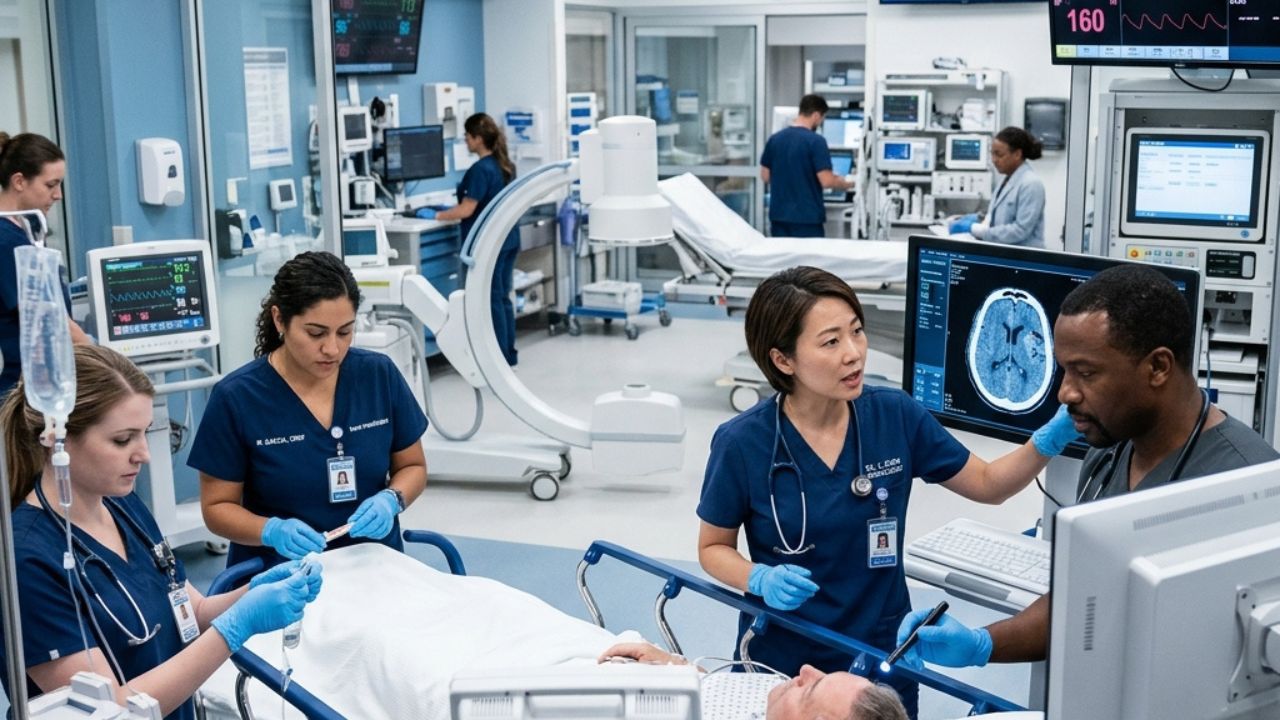
A cancer diagnosis can completely change the direction of a person’s life. Along with the emotional challenges, patients and families often face many important decisions about treatment, care options, and choosing the right medical facility. One of the most significant decisions is selecting the hospital where treatment will be provided. For many cancer patients, radiation therapy becomes a key part of their treatment journey. This advanced medical approach uses carefully controlled doses of radiation to destroy cancer cells, reduce tumor size, and support better chances of recovery.
Radiation therapy is a highly precise form of cancer treatment that requires advanced planning and expert execution. The primary objective is to target cancerous cells effectively while protecting nearby healthy organs and tissues from unnecessary exposure. Achieving this level of accuracy depends on both the technology available at the hospital and the experience of the specialists providing treatment. Because of this, choosing the right cancer center can have a major impact on a patient’s treatment experience and overall results.
Finding the right hospital for radiation therapy involves much more than simply choosing the closest facility. Patients should consider the hospital’s medical expertise, available technology, research programs, specialized cancer teams, and additional support services. A comprehensive cancer center provides more than just radiation treatment—it offers a complete care system designed to support patients physically, emotionally, and medically throughout their cancer journey.
This guide explains the important factors patients should evaluate when selecting a radiation therapy hospital, highlights some of the most respected cancer treatment centers in the United States, and provides helpful information about preparing for treatment and managing the overall care process.
Important Factors When Selecting a Cancer Radiation Therapy Hospital
Choosing the right environment for cancer treatment requires careful evaluation of several important factors. Hospitals differ significantly in their level of expertise, technology, and patient support services. Understanding these differences can help patients make a confident and informed decision.
Medical Expertise and Experience of the Cancer Care Team
Radiation therapy involves the collaboration of multiple healthcare professionals, each playing a specific role in creating and delivering a treatment plan. A radiation oncologist designs and supervises the treatment strategy, while medical physicists ensure that radiation equipment delivers the correct dose safely. Dosimetrists create detailed calculations that determine the exact radiation angles, strength, and timing required for each patient.
Leading cancer hospitals often have specialists who focus on specific cancer types rather than treating every form of cancer in the same way. For example, a radiation oncologist specializing in brain tumors may have different expertise and experience compared with someone who primarily treats prostate or breast cancer.
When researching treatment centers, patients should look for hospitals with specialists who regularly treat their specific type of cancer. Asking about the medical team’s experience, treatment success rates, and involvement in cancer research can provide valuable insight into the quality of care available.
Modern Technology and Advanced Radiation Treatment Methods
Radiation oncology continues to advance rapidly, with new technologies improving accuracy and reducing side effects. Older radiation methods may affect larger areas of the body, potentially increasing damage to healthy tissues. Modern treatment systems are designed to deliver radiation more precisely, focusing maximum energy on the tumor while limiting exposure to surrounding areas.
Patients should consider hospitals that offer advanced radiation technologies such as Intensity-Modulated Radiation Therapy (IMRT). This technique allows doctors to adjust radiation intensity across different areas of the treatment field, helping protect sensitive organs.
Another important option is Stereotactic Body Radiation Therapy (SBRT), which delivers highly concentrated radiation doses to small and well-defined tumors. Because of its precision, SBRT can often complete treatment in fewer sessions compared with traditional radiation approaches.
Some specialized cancer centers also provide proton therapy, an advanced form of radiation treatment that uses protons instead of traditional X-rays. Proton therapy can stop radiation directly at the tumor site, reducing exposure to nearby healthy tissues. This can be especially valuable when treating tumors located close to important organs.
Patient-Focused Treatment and Additional Support Services
Cancer treatment affects much more than a patient’s physical health. The emotional, financial, and practical challenges of treatment can also be overwhelming. The best cancer hospitals understand that successful care requires addressing the complete needs of the patient.
Many leading cancer centers provide patient navigation programs where trained professionals help patients schedule appointments, understand treatment plans, manage insurance questions, and connect with helpful resources.
Comprehensive hospitals also provide access to oncology nutrition specialists who assist patients with maintaining proper nutrition during treatment. Mental health counselors, social workers, pain management specialists, and palliative care teams are also important parts of a complete cancer care approach.
These additional services help patients manage the challenges of treatment and improve their overall quality of life during recovery.
Accreditation and Quality Recognition
When selecting a cancer radiation therapy hospital, accreditation and professional recognition can provide valuable information about the quality and safety standards of the facility. These certifications indicate that a hospital follows strict guidelines for patient care, medical expertise, technology management, and treatment procedures.
The National Cancer Institute (NCI) recognizes specific hospitals as Comprehensive Cancer Centers. These facilities meet high standards in cancer research, prevention, education, and advanced treatment approaches. NCI-designated centers often provide access to leading specialists, innovative therapies, and clinical trials that may not be available at smaller hospitals.
Another important recognition is accreditation from the American Society for Radiation Oncology (ASTRO). The ASTRO Accreditation Program for Excellence (APEx) evaluates radiation oncology departments based on treatment quality, patient safety measures, staff qualifications, and commitment to improving patient outcomes.
Choosing a hospital with recognized certifications can provide additional confidence that you are receiving care from a facility committed to maintaining high standards.
Leading Hospitals for Cancer Radiation Therapy in the United States
Across the United States, several hospitals are recognized for their outstanding cancer treatment programs, advanced radiation technology, and experienced medical teams. These institutions combine scientific research, innovative treatment methods, and personalized patient care to provide some of the highest levels of radiation therapy available.
MD Anderson Cancer Center (Houston, Texas)
MD Anderson Cancer Center is widely recognized as one of the leading cancer treatment facilities in the world. Its radiation oncology department is among the largest and most advanced, offering specialized treatment options for patients with complex cancers.
The center operates a dedicated proton therapy program that has treated thousands of patients with challenging tumors located near sensitive areas such as the brain, spinal cord, and prostate. Proton therapy allows doctors to deliver radiation more precisely while reducing exposure to surrounding healthy tissues.
One of the major strengths of MD Anderson is its highly specialized approach. Patients are treated by teams that focus on specific cancer types, allowing doctors to develop treatment strategies based on extensive experience with similar cases.
For example, a patient with lung cancer may work with specialists who focus primarily on cancers affecting the chest area. This level of specialization can contribute to better treatment planning and improved patient outcomes.
MD Anderson is also heavily involved in cancer research and clinical trials. This gives eligible patients opportunities to access emerging radiation techniques and treatments that may become standard care in the future.
Memorial Sloan Kettering Cancer Center (New York, New York)
Memorial Sloan Kettering Cancer Center is one of the oldest and most respected cancer hospitals in the United States. Its Department of Radiation Oncology has played an important role in advancing modern radiation treatment methods.
The hospital has contributed significantly to the development and improvement of advanced radiation techniques, including Intensity-Modulated Radiation Therapy (IMRT), which is now commonly used worldwide.
Memorial Sloan Kettering focuses strongly on personalized treatment planning. Doctors use advanced imaging tools, including PET/CT and MRI technology, to understand the exact location and characteristics of tumors before treatment begins.
The hospital’s multidisciplinary approach allows surgeons, medical oncologists, radiation specialists, and other healthcare professionals to work together when creating a patient’s treatment plan.
This coordinated care model helps ensure that every aspect of the patient’s cancer treatment is carefully considered.
Mayo Clinic (Rochester, Minnesota)
Mayo Clinic is known internationally for its patient-centered healthcare approach and integrated medical services. At Mayo Clinic’s cancer programs, radiation therapy is carefully coordinated with other forms of cancer treatment.
The hospital offers advanced radiation technologies, including proton beam therapy at selected locations. Its treatment systems use highly accurate techniques, such as pencil-beam scanning, to direct radiation precisely toward tumors while limiting damage to nearby healthy tissue.
Patients often appreciate Mayo Clinic’s organized approach, where consultations, imaging, treatment planning, and medical discussions can be efficiently coordinated. This helps reduce uncertainty and stress during an already difficult period.
The hospital’s emphasis on teamwork and communication allows specialists from different medical fields to collaborate closely and provide comprehensive cancer care.
Dana-Farber Brigham Cancer Center (Boston, Massachusetts)
Dana-Farber Brigham Cancer Center provides advanced radiation oncology services through the collaboration between Dana-Farber Cancer Institute and Brigham and Women’s Hospital.
Connected with Harvard Medical School, the center combines clinical expertise with ongoing cancer research. Patients benefit from treatment approaches influenced by the latest scientific discoveries and medical advancements.
The center is particularly recognized for treating complex cancers, including pediatric cancers, breast cancer, and tumors affecting the central nervous system.
Dana-Farber Brigham uses advanced Image-Guided Radiation Therapy (IGRT), which helps doctors make real-time adjustments during treatment. This technology accounts for small movements that may occur during radiation sessions, improving accuracy and ensuring that radiation reaches the intended target.
Cleveland Clinic (Cleveland, Ohio)
Cleveland Clinic is another highly respected healthcare institution known for its advanced cancer treatment programs and patient-focused environment. Its Taussig Cancer Center provides modern radiation therapy services in a facility designed to make the treatment experience more comfortable for patients.
The center focuses on creating a supportive atmosphere with features that help reduce the stress often associated with cancer treatment. Comfortable waiting areas, natural lighting, and easy navigation throughout the facility help patients feel more relaxed during their visits.
From a medical perspective, Cleveland Clinic offers a wide range of radiation treatment options. These include Gamma Knife radiosurgery for certain brain tumors and brachytherapy, an internal radiation technique used for cancers such as prostate and gynecological cancers.
The hospital also places strong importance on tracking treatment results and improving care quality. By measuring patient outcomes and continuously updating treatment methods, Cleveland Clinic works to maintain high standards in cancer radiation therapy.
Patient Experiences and Treatment Success Stories
While medical rankings, technology, and statistics provide useful information, the true value of a cancer hospital is often reflected through the experiences of the patients receiving care. A skilled medical team and supportive treatment environment can make a significant difference in how patients manage their cancer journey.
For individuals receiving radiation therapy for head and neck cancers, specialized treatment centers can provide important advantages. These tumors are often located near essential structures involved in speaking, swallowing, and other daily functions. Patients treated at experienced cancer centers often share how their medical teams carefully designed radiation plans to protect important organs while effectively targeting cancer cells.
Advanced planning techniques allow doctors to reduce damage to sensitive areas such as salivary glands and vocal structures. This can help patients maintain better quality of life during and after treatment.
Breast cancer patients frequently highlight the importance of emotional support throughout their radiation therapy experience. Many patients describe how radiation therapists helped them feel comfortable by explaining each step of the process, answering questions, and providing reassurance during daily treatment sessions.
Some patients also benefit from additional services offered by comprehensive cancer centers, including skin-care programs, emotional counseling, and supportive therapies. These resources can help manage side effects and make the treatment experience easier to handle.
Patients receiving radiation therapy for prostate cancer often appreciate newer treatment approaches such as Stereotactic Body Radiation Therapy (SBRT). Traditional radiation treatment may require daily visits over several weeks, while advanced SBRT techniques may allow some patients to complete treatment in fewer sessions.
Many patients report feeling more confident when their healthcare team takes the time to explain how advanced technology works and how it can reduce potential risks. Clear communication between doctors and patients plays an important role in reducing anxiety and building trust.
Understanding the Radiation Therapy Treatment Journey
Knowing what happens before, during, and after radiation therapy can help patients feel more prepared and reduce uncertainty. Although every person’s treatment plan is different, radiation therapy usually follows a structured process designed to provide safe and effective care.
What Happens During Radiation Therapy?
The treatment journey usually begins with a consultation appointment. During this meeting, the radiation oncologist reviews your medical history, previous treatments, imaging scans, and pathology reports. The doctor evaluates whether radiation therapy is the right option and discusses the recommended treatment approach.
If radiation therapy is chosen, the next stage is the simulation appointment. This is an important planning session where the healthcare team prepares your personalized treatment setup.
During simulation, you will be positioned in the same way you will be during your actual radiation sessions. The team may create customized supports, masks, or molds to help keep your body in the correct position throughout treatment.
A CT scan is typically performed during this stage to create a detailed map of the treatment area. This allows specialists to identify the exact location of the tumor and determine the safest way to deliver radiation.
In some cases, small permanent marks similar to tiny freckles may be placed on the skin. These marks help radiation therapists align the treatment equipment accurately during each session.
The actual radiation treatment process is usually quick and painless. Many sessions take only a few minutes, although patients may spend additional time being positioned correctly before treatment begins.
During treatment, the radiation machine moves around the body and delivers carefully calculated doses of radiation. Patients may hear clicking or buzzing sounds, but they do not feel the radiation itself. The treatment team monitors the patient through cameras and communication systems from a nearby control room.
Helpful Advice for Patients and Caregivers During Radiation Treatment
Managing your health during radiation therapy involves more than attending appointments. Taking care of your physical condition, emotional well-being, and daily routine can make the treatment journey easier and help your body recover more effectively.
One of the most important areas of focus during radiation therapy is skin care. Depending on the location being treated, radiation may cause changes in the skin, including redness, dryness, irritation, or increased sensitivity. These effects can sometimes feel similar to a mild sunburn.
Patients should follow the skincare recommendations provided by their medical team. Use only approved creams, lotions, or ointments, and avoid applying products immediately before a radiation session unless your doctor specifically recommends it. Protect the treated area from direct sunlight and avoid activities that may further irritate sensitive skin.
Nutrition and hydration are also essential during cancer treatment. Radiation therapy requires energy from the body as healthy tissues work to repair themselves. Many patients experience fatigue during treatment, making proper nutrition even more important.
Eating a balanced diet with enough protein, vitamins, and calories can support healing and maintain strength. Drinking plenty of water helps the body stay hydrated and may reduce certain treatment-related discomforts. Patients should communicate with their healthcare team if they experience appetite changes, difficulty eating, or unexpected weight changes.
Rest is another important part of recovery. Fatigue is one of the most common side effects of radiation therapy, and patients should listen to their bodies. Maintaining light physical activity when possible, combined with adequate rest, can help improve energy levels and overall well-being.
Caregivers also provide valuable support throughout the treatment process. Their role often extends beyond emotional encouragement and includes helping with transportation, organizing medical information, preparing meals, and assisting with daily responsibilities.
Attending appointments with the patient can be especially helpful. During medical visits, caregivers can take notes, ask questions, and help remember important instructions. Cancer treatment can involve a large amount of information, and having additional support can make managing the process easier.
Support Resources for Cancer Patients and Families
Facing cancer treatment can feel overwhelming, but patients and families do not have to manage the journey alone. Many hospitals provide resources designed to support patients emotionally, physically, and practically throughout treatment.
Hospital-based social workers can connect patients with local support programs, financial guidance resources, transportation assistance, and community services. Speaking with others who have experienced similar challenges can also provide comfort and emotional strength.
National cancer organizations offer additional education and support services. The American Cancer Society provides information about cancer treatments, patient assistance programs, transportation resources, and support services for individuals and families affected by cancer.
The Cancer Support Community also offers educational materials, online communities, emotional support programs, and resources designed to help patients manage the psychological challenges associated with cancer diagnosis and treatment.
Patients should also ask their healthcare providers about available support groups, counseling services, and wellness programs offered through their treatment center. These services can play an important role in improving confidence and helping patients maintain a better quality of life during treatment.
Making the Right Decision for Your Cancer Care Journey
Choosing the right hospital for cancer radiation therapy is one of the most important decisions a patient can make. The ideal treatment center should provide advanced technology, experienced specialists, personalized care, and strong support services that address every aspect of the cancer experience.
Leading institutions such as MD Anderson Cancer Center, Memorial Sloan Kettering Cancer Center, Mayo Clinic, Dana-Farber Brigham Cancer Center, and Cleveland Clinic represent some of the highest standards in cancer radiation care. These hospitals combine medical expertise, innovative technology, and patient-centered approaches to provide comprehensive treatment options.
However, the best hospital choice depends on each patient’s individual situation. Factors such as cancer type, treatment requirements, location, insurance coverage, and access to specialists should all be considered before making a decision.
Patients should remember that seeking a second opinion is always an option. Consulting another cancer specialist can provide additional information, confirm the recommended treatment approach, and help patients feel more confident about their care decisions.
If you or someone you love has received a cancer diagnosis, take time to research available treatment centers and understand your options. Look for hospitals with experienced radiation oncology teams, advanced treatment technologies, and strong patient support programs.
Ask detailed questions about the hospital’s experience treating your specific cancer type, available treatment methods, expected outcomes, and possible side effects. A strong relationship with your medical team can make the treatment process more manageable and provide reassurance during a challenging time.
Choosing the right care environment is an important first step toward effective treatment, recovery, and maintaining the best possible quality of life throughout your cancer journey.
Frequently Asked Questions About Cancer Radiation Therapy Hospitals in the USA
What is radiation therapy, and how does it help treat cancer?
Radiation therapy is a cancer treatment that uses high-energy radiation to destroy cancer cells or slow their growth. Doctors carefully plan the treatment to target tumors while protecting nearby healthy tissues. It may be used as the main treatment for certain cancers or combined with surgery, chemotherapy, or other therapies to improve outcomes.
How do I choose the best hospital for cancer radiation therapy?
Choosing the right hospital depends on several factors, including the hospital’s experience with your specific cancer type, available radiation technology, medical team expertise, patient support services, and treatment outcomes.
Patients should look for hospitals with experienced radiation oncologists, advanced treatment options, strong cancer programs, and proper accreditation. Consulting multiple specialists and comparing treatment plans can also help you make a more informed decision.
Are the largest cancer hospitals always the best choice?
Not necessarily. While major cancer centers often have advanced technology, specialized teams, and research programs, the best hospital for you depends on your individual medical needs.
A smaller specialized center may also provide excellent care if it has experienced doctors, appropriate technology, and expertise in treating your specific type of cancer.
What qualifications should I look for in a radiation oncologist?
A qualified radiation oncologist should have specialized training in cancer radiation treatment and experience treating your specific type of cancer. You can ask about their years of experience, the number of similar cases they have treated, and whether they participate in cancer research or clinical trials.
A strong medical team should also include medical physicists, dosimetrists, radiation therapists, and other specialists who work together to create your treatment plan.
What are the most advanced radiation therapy technologies available today?
Modern radiation therapy includes several advanced techniques designed to improve accuracy and reduce side effects. Some commonly used technologies include:
- Intensity-Modulated Radiation Therapy (IMRT), which adjusts radiation intensity for better tumor targeting.
- Image-Guided Radiation Therapy (IGRT), which uses imaging technology to improve treatment accuracy.
- Stereotactic Body Radiation Therapy (SBRT), which delivers high-dose radiation to specific tumors in fewer sessions.
- Proton therapy, which uses proton particles to reduce radiation exposure to nearby healthy tissues.
The right technology depends on your cancer type, tumor location, and overall treatment plan.
Is radiation therapy painful?
Most patients do not feel pain during radiation treatment sessions. The actual radiation delivery is usually quick and painless, similar to receiving an X-ray.
However, some patients may experience side effects during or after treatment, depending on the area being treated. Common side effects can include fatigue, skin irritation, changes in appetite, or discomfort in the treated area.
How long does a typical radiation therapy treatment take?
The length of treatment varies depending on the type and stage of cancer, the radiation technique used, and the patient’s individual needs.
Some traditional radiation treatments may require daily sessions over several weeks, while newer approaches such as SBRT may complete treatment in only a few visits. Your radiation oncologist will create a schedule based on your specific condition.
What happens during the first radiation therapy appointment?
The first appointment usually involves a consultation with a radiation oncologist. The doctor reviews your medical records, imaging results, and diagnosis before discussing whether radiation therapy is appropriate.
If treatment is recommended, the next step is usually simulation. During simulation, doctors create a detailed treatment plan by mapping the tumor location and determining the safest way to deliver radiation.
Can radiation therapy be combined with other cancer treatments?
Yes. Radiation therapy is often used along with other cancer treatments. Depending on the situation, it may be combined with surgery to shrink tumors before an operation or with chemotherapy to improve treatment effectiveness.
Your cancer care team will determine the best combination based on your cancer type, stage, and overall health.
What side effects can occur after radiation therapy?
Side effects depend on the area of the body receiving treatment and the radiation dose. Some common effects include:
- Fatigue
- Skin redness or irritation
- Changes in appetite
- Hair loss in the treated area
- Mild discomfort near the treatment site
Many side effects improve after treatment ends. Your healthcare team can provide guidance and medications to help manage symptoms.
Does insurance cover cancer radiation therapy in the United States?
Many health insurance plans provide coverage for medically necessary cancer treatments, including radiation therapy. However, coverage details vary depending on your insurance policy, provider network, deductibles, and out-of-pocket costs.
Before beginning treatment, patients should confirm coverage with their insurance company and discuss possible expenses with the hospital’s financial services team.
Should I get a second opinion before starting radiation therapy?
Yes. Getting a second opinion can be helpful, especially when making important cancer treatment decisions. Another specialist may confirm the recommended approach, suggest additional options, or provide more information about available treatments.
Many leading cancer centers encourage patients to understand all available options before starting therapy.
What questions should I ask a radiation therapy hospital?
Before choosing a hospital, consider asking questions such as:
- How many patients with my type of cancer have you treated?
- What radiation treatment options are available?
- Which technology will be used for my condition?
- What are the possible side effects?
- How will my treatment plan protect healthy organs?
- Are clinical trials available?
- What support services are offered to patients and families?
These questions can help you better understand your care options.
How can caregivers support someone receiving radiation therapy?
Caregivers can provide valuable help by attending appointments, organizing medical information, assisting with transportation, preparing meals, and offering emotional support.
Simply being present and helping patients manage daily responsibilities can make the treatment experience less stressful.
What should I consider after completing radiation therapy?
After treatment ends, patients should continue attending follow-up appointments with their healthcare team. Doctors monitor recovery, evaluate treatment results, and check for any long-term effects.
Maintaining healthy habits, following medical recommendations, and staying connected with your care team are important parts of long-term recovery and cancer management.