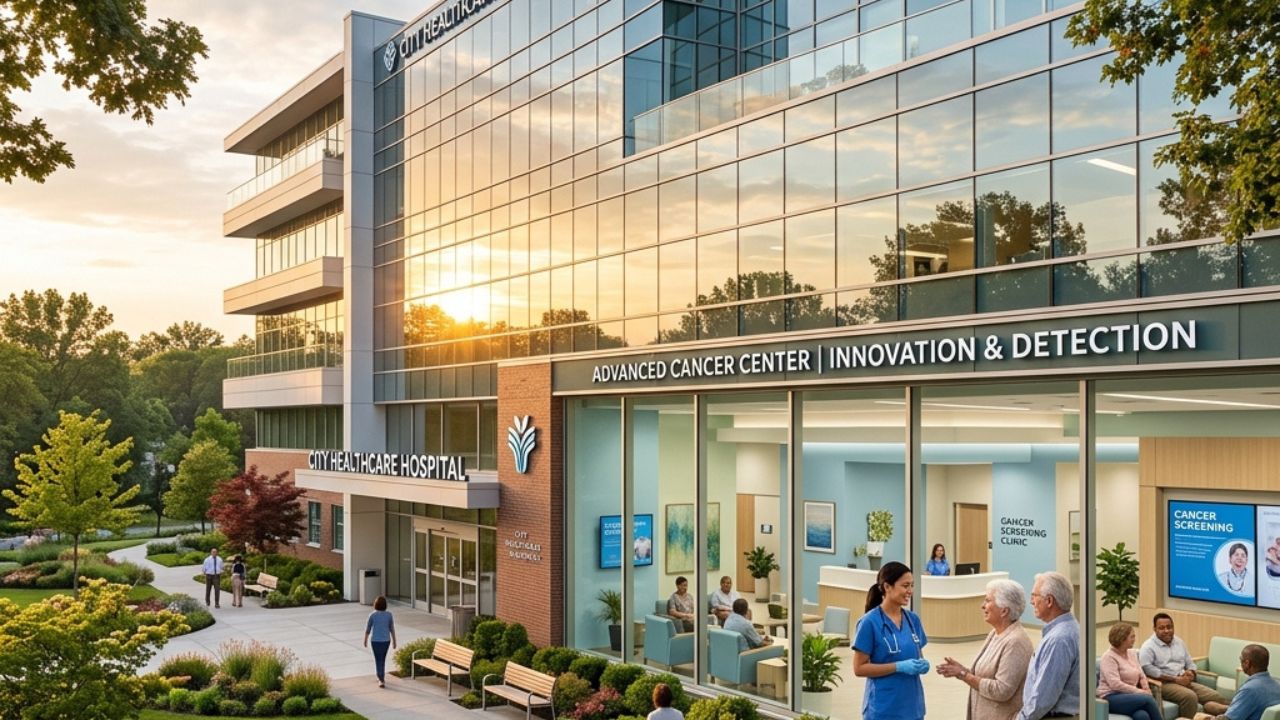
When it comes to advanced cancer screening in the United States, a handful of medical centers consistently stand above the rest. Hospitals such as MD Anderson Cancer Center, Memorial Sloan Kettering Cancer Center, Mayo Clinic, Johns Hopkins Medicine, and Dana-Farber Cancer Institute have earned national recognition for their sophisticated diagnostic technologies, comprehensive genetic testing services, and specialized screening programs for individuals at elevated cancer risk. Their commitment to early detection allows physicians to diagnose cancer before symptoms appear, giving patients access to more effective treatment options.
Over the past several years, cancer care has undergone a remarkable transformation. Instead of waiting until symptoms develop, healthcare providers are increasingly focusing on identifying disease at its earliest possible stage. Research continues to demonstrate that detecting cancer before it spreads dramatically improves treatment success, reduces the need for aggressive therapies, and significantly increases long-term survival. As a result, preventive oncology has become one of the fastest-growing areas of modern medicine.
Routine wellness exams and traditional laboratory testing still play an important role in maintaining overall health, but they are not always capable of uncovering the earliest cellular changes associated with cancer. Today’s advanced screening techniques provide a much deeper level of analysis. By combining next-generation genetic testing with highly detailed medical imaging, specialists can detect microscopic abnormalities that would otherwise remain invisible until much later stages of disease development.
Finding the right medical center for this level of preventive care can be challenging. Many hospitals provide standard cancer screenings, but only a select group have access to the latest imaging equipment, specialized molecular testing, and experienced genetic experts capable of interpreting complex diagnostic results. Patients seeking the highest standard of cancer prevention often benefit from choosing institutions that invest heavily in research, innovation, and personalized risk assessment.
This guide highlights some of the leading hospitals in the United States for advanced cancer screening and early detection. You’ll discover how these institutions use modern diagnostic technology, the preventive programs they offer, and the factors to consider when selecting the facility that best matches your personal health history and risk profile.
Why Does Early Cancer Detection Matter So Much?
The success of cancer treatment often depends on one critical factor: timing. Cancer cells continue to grow, divide, and eventually spread from their original location into nearby tissues and distant organs. Once this process—known as metastasis—begins, treatment becomes considerably more complicated and frequently requires multiple forms of therapy instead of a single localized procedure.
The difference that early diagnosis can make is substantial. Statistics from major cancer organizations consistently show that patients diagnosed while cancer remains confined to its original location have dramatically higher survival rates than those diagnosed after the disease has spread. Breast cancer is one of the clearest examples, but similar patterns are seen with colorectal, lung, prostate, and many other common cancers. Detecting cancer before it advances gives physicians the greatest opportunity to achieve successful outcomes.
Modern cancer screening is designed to accomplish more than simply finding existing tumors. Advanced evaluations can identify precancerous growths, abnormal tissue changes, and early cellular mutations that have not yet become cancer. Removing or treating these abnormalities can prevent cancer from developing altogether. This preventive approach not only protects patients from future illness but also reduces the need for extensive chemotherapy, major surgery, and long-term medical care.
What Sets the Best Hospitals Apart for Advanced Cancer Screening?
Choosing a hospital for advanced cancer screening involves much more than looking at overall hospital rankings. The nation’s leading cancer centers distinguish themselves through specialized technology, expert clinical teams, and comprehensive prevention programs specifically designed to detect disease as early as possible.
How Advanced Imaging Improves Early Detection
Conventional imaging methods are valuable, but they may not always distinguish harmless tissue changes from very small malignant tumors. Leading cancer centers address this challenge by investing in advanced imaging technologies capable of producing exceptionally detailed diagnostic information.
Multiparametric magnetic resonance imaging (MRI) creates highly detailed three-dimensional images of soft tissues, helping physicians identify subtle abnormalities with greater confidence. Low-dose computed tomography (LDCT) has become an important tool for lung cancer screening because it provides detailed images while exposing patients to significantly less radiation than conventional CT scans. Many top hospitals also use sophisticated PET-CT imaging, which tracks cellular activity throughout the body. Because cancer cells often consume energy differently than healthy tissue, these scans can reveal suspicious changes long before a tumor becomes large enough to detect through traditional imaging.
How Genetic Testing and Biomarker Analysis Strengthen Cancer Screening
Genetics has become one of the most valuable tools in modern cancer prevention. A person’s DNA can reveal inherited mutations that significantly increase the likelihood of developing certain cancers during their lifetime. Leading hospitals employ specialized genetic counselors and clinical geneticists who evaluate family history, review inherited risk factors, and recommend personalized screening strategies based on each patient’s unique genetic profile.
Some of the most well-known inherited mutations include BRCA1 and BRCA2, which are associated with a higher risk of breast and ovarian cancers. Specialists also screen for genetic conditions such as Lynch syndrome, a hereditary disorder that raises the risk of colorectal, endometrial, and several other cancers. Identifying these mutations allows physicians to begin surveillance much earlier than standard screening guidelines recommend, improving the chances of detecting disease before symptoms appear.
Another major advancement is the development of liquid biopsy technology. Rather than relying solely on tissue samples, these innovative blood tests analyze tiny fragments of circulating tumor DNA (ctDNA) that cancer cells release into the bloodstream. Multi-Cancer Early Detection (MCED) tests are capable of screening for numerous cancer types through a single blood draw, offering physicians a powerful new method for identifying cancers in their earliest stages. While these tests continue to evolve, many of the nation’s leading cancer centers have already integrated them into screening programs for individuals considered to be at elevated risk.
Why Multidisciplinary Cancer Teams Make a Difference
Advanced screening often produces large amounts of complex diagnostic information that cannot be accurately interpreted by a single physician alone. For this reason, the country’s top cancer hospitals rely on multidisciplinary care teams that bring together experts from several medical specialties to evaluate each patient’s results.
When an abnormal finding appears during screening, radiologists, medical oncologists, surgical oncologists, pathologists, and genetic counselors review the case collectively. Each specialist contributes a unique perspective, allowing the team to determine whether additional testing is necessary, whether immediate treatment should begin, or whether continued monitoring is the most appropriate course of action.
This collaborative approach minimizes uncertainty and helps reduce unnecessary procedures while ensuring that potentially dangerous findings receive prompt attention. Instead of receiving isolated opinions from different providers, patients benefit from a coordinated evaluation that leads to highly individualized recommendations based on their overall health, family history, imaging results, and genetic profile.
Which U.S. Hospitals Are Recognized for Advanced Cancer Screening?
Several medical institutions across the United States consistently rank among the nation’s leaders in cancer prevention and early detection. Their reputation is built on decades of research, continuous investment in cutting-edge technology, and comprehensive screening programs that combine genetics, imaging, and personalized patient care.
MD Anderson Cancer Center: Setting the Standard for Cancer Prevention
Located in Houston, Texas, MD Anderson Cancer Center is internationally recognized for its exclusive dedication to cancer care and research. One of its greatest strengths is the Cancer Prevention Center, where physicians focus not only on diagnosing cancer but also on preventing it whenever possible.
Patients undergo detailed risk assessments that consider personal medical history, lifestyle factors, and inherited genetic risks. Individuals identified as having a higher probability of developing cancer receive customized surveillance plans tailored to their specific needs. These programs often include advanced gastrointestinal screening using modern endoscopic procedures, comprehensive skin examinations supported by digital dermatology mapping for melanoma detection, and specialized imaging protocols for other high-risk cancers.
MD Anderson is also known for incorporating clinical research directly into patient care. Because of its active participation in clinical trials, eligible patients may gain access to promising screening technologies and innovative diagnostic methods years before they become widely available in general medical practice.
Memorial Sloan Kettering Cancer Center: Expertise in Genetic Risk Assessment
Based in New York City, Memorial Sloan Kettering Cancer Center (MSK) has earned a global reputation for excellence in genetic oncology and personalized cancer prevention. Its Clinical Genetics Service is among the largest and most experienced programs in the country, providing comprehensive genetic counseling and testing for individuals with significant family histories of cancer.
MSK designs highly personalized surveillance plans based on each patient’s inherited risk factors. The institution has also played a major role in advancing the clinical use of liquid biopsy technology, helping integrate blood-based cancer detection into modern preventive care.
The hospital is especially recognized for its specialized pancreatic cancer screening program. Since pancreatic cancer is often difficult to detect during its earliest stages, MSK combines advanced MRI techniques with endoscopic ultrasound examinations to monitor patients who have inherited genetic mutations or strong family histories that place them at elevated risk. These targeted surveillance strategies aim to identify abnormalities before symptoms develop, when treatment options are considerably more effective.
Why Mayo Clinic Is a Trusted Destination for Preventive Cancer Care
With major campuses in Minnesota, Arizona, and Florida, Mayo Clinic has built a strong reputation for delivering coordinated, patient-focused healthcare. Its preventive oncology services are designed to make advanced cancer screening efficient, comprehensive, and accessible, particularly for patients who travel from across the country for specialized evaluations.
One of Mayo Clinic’s biggest strengths is its ability to streamline the screening process. Patients can often complete multiple appointments—including genetic counseling, advanced laboratory testing, biomarker analysis, and high-resolution imaging—within just a few days. This integrated approach reduces delays, improves communication between specialists, and allows patients to receive a complete assessment without navigating multiple healthcare facilities.
The institution has also embraced artificial intelligence (AI) to enhance diagnostic accuracy. AI-powered software assists radiologists in reviewing mammograms, lung CT scans, and other imaging studies by highlighting subtle abnormalities that may be difficult to detect through visual examination alone. Rather than replacing physicians, these advanced algorithms provide an additional layer of analysis that helps improve early detection while reducing the possibility of overlooked findings.
Mayo Clinic’s emphasis on collaboration ensures that imaging experts, oncologists, pathologists, and genetic specialists work together to create personalized screening recommendations. This comprehensive model has made the institution one of the nation’s most respected destinations for individuals seeking a thorough evaluation of their cancer risk.
How Johns Hopkins Medicine Advances Early Cancer Diagnosis
Johns Hopkins Medicine, located in Baltimore, Maryland, has long been recognized as a leader in cancer research and medical innovation. Its Sidney Kimmel Comprehensive Cancer Center continues to play an important role in developing technologies that improve the early detection of cancer.
Researchers at Johns Hopkins were among the pioneers behind liquid biopsy research, helping establish blood-based testing as a promising tool for identifying cancer before traditional symptoms appear. Today, many of these scientific discoveries have moved beyond research laboratories into clinical practice, allowing physicians to monitor high-risk individuals using increasingly sophisticated diagnostic methods.
The hospital operates dedicated high-risk screening clinics for patients with inherited genetic mutations or strong family histories of cancer. These specialized programs combine advanced imaging, laboratory analysis, and ongoing surveillance to identify abnormalities at the earliest possible stage.
Johns Hopkins is also heavily involved in biomarker research. Scientists continue refining blood and urine tests capable of detecting cancers such as prostate, bladder, ovarian, and several other malignancies with greater accuracy than conventional screening methods. As these technologies evolve, they offer new opportunities for earlier diagnosis and more personalized treatment planning.
What Preventive Cancer Services Are Available at Dana-Farber Cancer Institute?
Located in Boston, Massachusetts, Dana-Farber Cancer Institute, in collaboration with Brigham and Women’s Hospital, offers one of the country’s most comprehensive cancer prevention programs. The institute places a strong emphasis on identifying inherited cancer risks and developing individualized surveillance plans for patients who may be more likely to develop certain cancers.
Its Center for Cancer Genetics and Prevention provides extensive genetic counseling and testing services for individuals with personal or family histories of hereditary cancers. Specialists help patients understand complex genetic results while developing long-term monitoring strategies based on their specific risk factors.
Dana-Farber also operates several highly specialized prevention clinics focused on inherited cancer syndromes. These include programs dedicated to gastrointestinal cancer genetics, Lynch syndrome, neurofibromatosis, and other hereditary conditions associated with elevated cancer risk. Each clinic brings together experts who understand the unique challenges associated with these disorders and can recommend tailored screening schedules.
A defining feature of Dana-Farber’s preventive care model is the combination of comprehensive genetic sequencing with carefully planned imaging surveillance. Patients with confirmed genetic mutations receive customized monitoring schedules that may include MRI examinations, CT imaging, endoscopic procedures, and other advanced diagnostic tests performed at intervals determined by their individual level of risk. This personalized approach helps physicians detect abnormalities as early as possible while avoiding unnecessary testing for lower-risk individuals.
Frequently Asked Questions (FAQs)
Are advanced cancer screening tests covered by health insurance?
Insurance coverage depends on both your health plan and the specific screening being performed. Routine preventive screenings—such as mammograms, Pap tests, and colonoscopies—are generally covered by most insurance providers. However, newer technologies like multi-cancer early detection (MCED) blood tests, comprehensive genetic sequencing, and certain liquid biopsy tests may only be covered if you meet specific medical criteria, such as having a strong family history of cancer or a known inherited genetic mutation. Before scheduling advanced screening, it’s advisable to contact your insurance company to verify coverage requirements and determine whether pre-authorization is necessary.
How often should someone at high risk be screened for cancer?
There is no universal screening schedule for high-risk individuals because recommendations vary according to personal medical history and genetic risk factors. Patients carrying inherited mutations such as BRCA1, BRCA2, or Lynch syndrome may require specialized imaging, MRI scans, endoscopic procedures, or other screenings every six to twelve months. Individuals without confirmed genetic mutations but who undergo comprehensive preventive evaluations may only need follow-up screening every one to three years. A physician or genetic counselor can develop a personalized surveillance plan based on your overall level of risk.
Can advanced cancer screening lead to overdiagnosis?
While advanced screening technologies are highly sensitive, they can occasionally detect slow-growing abnormalities that may never develop into life-threatening cancers. This phenomenon, known as overdiagnosis, can sometimes result in additional imaging, biopsies, or treatments that may not have been medically necessary. Leading cancer centers reduce this risk by having multidisciplinary teams review each abnormal finding carefully before recommending treatment. Their goal is to distinguish between conditions requiring immediate intervention and those that can be safely monitored over time.
Who should consider advanced cancer screening?
Advanced cancer screening is especially valuable for individuals who have a strong family history of cancer, inherited genetic mutations, or a personal history of previous cancer treatment. People with long-term smoking histories, occupational exposure to carcinogens, or other significant risk factors may also benefit from specialized screening programs. In addition, many individuals choose comprehensive preventive evaluations simply to establish a detailed baseline of their health and detect potential problems as early as possible. Consulting a primary care physician or genetic counselor is the best first step in determining whether advanced screening is appropriate for your situation.