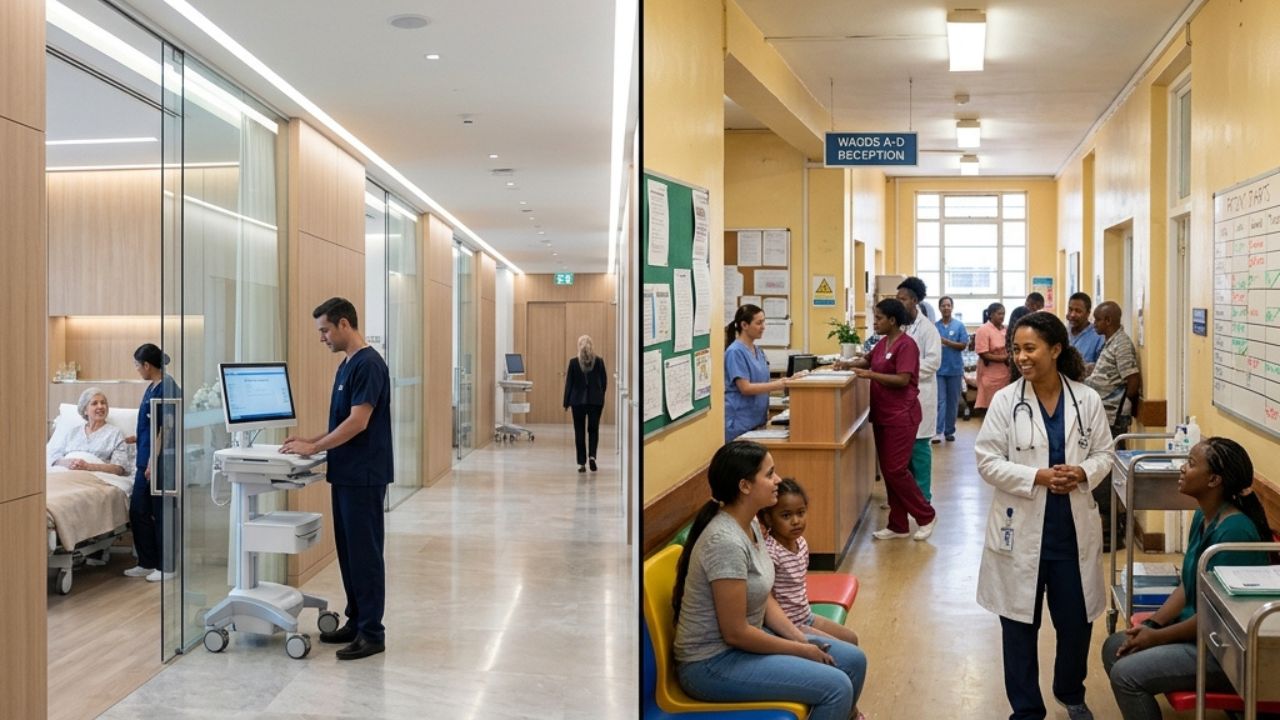
Choosing the right hospital in the United States can be a confusing and stressful decision, especially when medical costs are already a major concern. Healthcare expenses continue to rise, and many patients struggle to understand why the same treatment can have very different prices depending on where they receive care. When facing a medical situation, most people want two things: excellent treatment and a bill they can realistically manage.
One of the most important decisions patients may need to make is whether to receive care at a public hospital or a private hospital. While both types of facilities provide essential healthcare services, their operations, funding models, and approaches to patient care can vary significantly. Government support, financial goals, available resources, and the communities they serve all influence how these hospitals function.
This leads to an important question: which type of hospital can actually help patients save more money? The answer depends on several factors, including insurance coverage, income level, medical needs, and the type of treatment required. By understanding how public and private hospitals differ, patients can make smarter decisions about both their healthcare and their finances.
Understanding Private Hospitals
Private hospitals represent a significant part of the American healthcare system. These facilities are generally owned by private healthcare organizations, corporations, or nonprofit groups that operate independently from direct government management.
What Defines a Private Hospital?
A private hospital functions similarly to a business organization. While some private hospitals operate as nonprofit institutions with a mission focused on community service, many are managed with financial sustainability as a major priority. Their revenue comes largely from patient payments, private insurance reimbursements, and healthcare services provided.
Because financial performance plays an important role in their operations, private hospitals often focus on improving efficiency, expanding specialized services, and investing in advanced medical technologies. Their pricing strategies, staffing decisions, and facility upgrades are influenced by the need to balance quality care with financial management.
Services, Facilities, and Patient Experience
Private hospitals often compete by offering a more personalized healthcare experience. Many invest heavily in modern facilities, advanced medical equipment, private patient rooms, and specialized treatment programs. Patients may experience shorter waiting periods, greater access to specialists, and more customized care plans.
These hospitals frequently provide advanced procedures, including complex surgeries, robotic-assisted treatments, and specialized cancer or cardiac care. The environment is usually designed to provide comfort and convenience, making private hospitals appealing to patients who value premium healthcare services.
However, these additional services and amenities often come with higher costs. The improved patient experience, advanced technology, and specialized expertise contribute to increased operating expenses, which are usually reflected in hospital charges.
How Private Hospital Costs Work
The cost structure of private hospitals is one of the biggest factors patients must consider. These facilities often charge higher prices for medical procedures, hospital stays, and specialist services compared with many public institutions.
Private insurance plays a major role in covering these expenses. When a hospital is included in a patient’s insurance network, the insurance company usually negotiates lower rates with the facility, reducing the patient’s financial responsibility. However, receiving treatment at an out-of-network private hospital can create significant expenses because insurance coverage may be limited.
For uninsured patients, private hospital bills can become extremely expensive. Without negotiated insurance rates, individuals may be charged the full listed price for medical services, making even routine treatments financially challenging.
Understanding Public Hospitals
Public hospitals serve a different but equally important purpose within the American healthcare system. These facilities act as a critical safety network by providing medical services to people who may have limited access to healthcare.
What Defines a Public Hospital?
Public hospitals are operated and supported by government organizations at the local, state, or federal level. Unlike many private facilities, their primary mission is not focused on generating profit but on ensuring that essential medical care remains available to the community.
Because public hospitals depend heavily on government funding and public resources, they often operate under strict financial limitations. Their budgets may be affected by government policies, available funding, and the healthcare needs of the populations they serve.
Despite these challenges, public hospitals play a vital role in treating millions of Americans every year, including uninsured individuals, low-income families, and patients with complex medical needs.
Services and Support for Underserved Communities
Public hospitals provide a wide range of healthcare services, including emergency treatment, surgeries, primary care, and specialized medical programs. Many public hospitals are also connected with medical universities, allowing them to serve as teaching hospitals where future doctors and healthcare professionals receive training.
A major focus of public hospitals is supporting communities that may struggle to access affordable healthcare elsewhere. They often treat patients regardless of their ability to pay and provide essential services for individuals who do not have private insurance coverage.
While public hospitals may not always offer the same luxury features as private facilities, the quality of medical care can still be excellent. Many public hospitals employ highly trained physicians, participate in medical research, and provide advanced treatments.
Cost Structure and Financial Assistance
One of the biggest advantages of public hospitals is affordability. These facilities often participate in government healthcare programs such as Medicare and Medicaid, making them accessible to a broader range of patients.
For individuals without insurance or with limited income, many public hospitals provide financial assistance programs. These may include reduced-cost services, income-based payment adjustments, or charity care programs designed to prevent patients from facing overwhelming medical debt.
Public hospitals frequently use sliding-scale pricing, meaning the amount a patient pays depends on their financial situation. This approach makes healthcare more affordable for those who may not be able to manage standard medical charges.
Comparing Public and Private Hospitals: Which One Costs Less?
When patients compare public and private hospitals, the final cost is rarely determined by the hospital type alone. Factors such as insurance coverage, medical condition, location, and the type of treatment required all influence how much a person ultimately pays. A public hospital may be the more affordable option for one patient, while a private hospital may provide better financial value for another depending on their circumstances.
Understanding these differences can help patients avoid unexpected medical expenses and choose a facility that matches both their healthcare needs and financial situation.
Comparing Costs for Common Medical Procedures
In many cases, public hospitals tend to have lower base prices for common medical procedures. Because these facilities receive government support and operate with a public service mission, they often focus on keeping healthcare accessible and affordable.
Routine treatments such as emergency care, basic surgeries, maternity services, and general medical procedures may cost less at public hospitals compared with private facilities. Public hospitals usually prioritize providing necessary care rather than maximizing revenue, which can result in lower charges for many patients.
Private hospitals, on the other hand, often have higher operating costs due to investments in advanced technology, upgraded facilities, specialized departments, and additional patient services. These expenses are reflected in their pricing structures. However, higher prices do not always mean patients pay more personally, especially when strong insurance coverage is involved.
For individuals with comprehensive insurance plans, a private hospital may sometimes be an affordable option because insurance companies negotiate discounted rates with these facilities. The amount a patient pays depends more on their insurance agreement than the hospital’s original price.
The Impact of Health Insurance Coverage
Insurance is one of the biggest factors determining whether public or private healthcare becomes more affordable. The same medical procedure can result in very different out-of-pocket costs depending on whether the hospital is part of the patient’s insurance network.
When a private hospital is considered in-network, the insurance provider usually has a contract with that facility. This agreement allows patients to benefit from negotiated prices, meaning they pay only their required deductible, copayment, or coinsurance amount.
However, choosing an out-of-network private hospital can significantly increase expenses. Without an existing agreement between the insurer and hospital, patients may receive smaller coverage benefits and become responsible for a much larger portion of the bill.
Public hospitals often accept a wide range of insurance plans, including government-supported programs such as Medicaid and Medicare. This makes them an important option for individuals with limited insurance coverage or lower incomes.
Before selecting any hospital, patients should always verify their insurance network status. A hospital that appears affordable initially can become extremely expensive if it is not covered under the patient’s insurance plan.
Understanding Deductibles, Copayments, and Out-of-Pocket Costs
Even with insurance, patients are responsible for certain healthcare expenses. Understanding how deductibles, copayments, and out-of-pocket limits work is essential when comparing hospital costs.
A deductible is the amount a patient must pay before their insurance begins covering medical expenses. Individuals with high-deductible insurance plans may need to pay several thousand dollars before receiving significant coverage.
Copayments are fixed amounts patients pay for specific services, such as doctor visits or emergency room care. Coinsurance requires patients to pay a percentage of the total medical cost after meeting their deductible.
For patients with high deductibles or limited insurance benefits, choosing a public hospital may provide significant savings because these facilities often offer financial assistance and reduced-cost programs.
Patients with strong insurance coverage may find that an in-network private hospital provides a comfortable experience without a major increase in personal expenses.
Emergency Care and Hospital Costs
Medical emergencies create a unique situation because patients often cannot choose where they receive treatment. When someone experiences a serious injury, heart attack, stroke, or other urgent medical condition, immediate care becomes the priority.
Under the Emergency Medical Treatment and Labor Act (EMTALA), hospitals that participate in Medicare must provide emergency evaluation and stabilization regardless of a patient’s ability to pay. This requirement applies to both public and private hospitals.
However, the financial impact after emergency treatment can vary. Private hospitals may charge higher emergency department fees, especially when advanced specialists, technology, or private facilities are involved. Patients with limited insurance coverage may face significant bills after receiving emergency care.
Public hospitals often provide more flexible payment options for emergency services, particularly for uninsured or financially vulnerable patients. Many have established programs to help reduce medical debt and connect patients with financial assistance resources.
Factors That Affect Hospital Costs Beyond Public or Private Status
While the difference between public and private hospitals is important, many other factors influence healthcare pricing. The cost of treatment can vary widely even among hospitals in the same category.
Location: City Hospitals vs. Rural Facilities
Where a hospital is located has a major impact on healthcare costs. Hospitals in large metropolitan areas often have higher expenses because of increased property costs, higher employee salaries, and greater demand for specialized services.
These operating expenses are often passed on to patients through higher medical charges. Major cities also tend to have more private hospitals competing with each other by offering advanced treatments and premium services.
Rural hospitals may have lower operating costs in some areas, but they often face financial challenges due to smaller patient populations and limited funding. Some rural facilities may need to charge higher rates to maintain essential services and remain operational.
Access can also influence cost decisions. Patients living in rural areas may have fewer choices and may need to travel to larger medical centers for specialized treatments, adding transportation and accommodation expenses.
Hospital Size and Medical Specialization
The size and specialization of a hospital can greatly affect pricing. Large academic medical centers and research hospitals usually charge more because they provide highly specialized care, advanced procedures, and access to leading medical experts.
Hospitals that perform complex surgeries, cancer treatments, organ transplants, and advanced cardiac procedures require specialized equipment and highly trained teams. These resources increase operating costs but also provide patients with access to treatments that may not be available elsewhere.
Smaller community hospitals generally provide more basic medical services at lower costs. However, they may refer patients to larger facilities when specialized care is required.
Technology and Medical Equipment
Modern healthcare depends heavily on advanced technology. Hospitals that invest in robotic surgery systems, artificial intelligence tools, advanced imaging machines, and innovative treatment equipment must recover those investment costs.
Private hospitals often promote their latest technology as part of their competitive advantage, while public hospitals may face funding limitations when upgrading equipment.
Although advanced technology can increase costs, it can also improve treatment accuracy, reduce recovery times, and provide better outcomes for certain medical conditions.
Administrative Costs and Healthcare Management
Administrative expenses are another major factor affecting hospital pricing in the United States. Hospitals require large teams to manage insurance claims, medical coding, billing systems, compliance requirements, and patient records.
The complexity of the American healthcare system means that administrative operations can become expensive. Both public and private hospitals experience these costs, but large healthcare organizations may have significantly higher administrative structures.
These expenses are often included in overall healthcare charges, contributing to the high cost of medical care across the country.
Smart Ways to Reduce Your Hospital Expenses
Medical costs in the United States can be unpredictable, but patients are not completely powerless when it comes to managing their healthcare expenses. Taking the time to research, ask questions, and understand available resources can make a significant difference in the final amount you pay.
Whether you choose a public hospital or a private facility, being an informed healthcare consumer can help you avoid unnecessary charges and find affordable options without compromising the quality of care.
Research Hospital Prices Before Planned Procedures
When treatment is not an emergency, patients have an opportunity to compare their options. Before scheduling a surgery, medical test, or elective procedure, research different hospitals and compare estimated costs.
Federal price transparency requirements have encouraged hospitals to provide information about their standard charges online. While healthcare pricing can still be complicated, these resources allow patients to get a better understanding of potential expenses before receiving treatment.
Contacting hospital billing departments directly can also provide valuable information. Patients can request a cost estimate, ask what services are included, and find out whether there are additional fees that may not be immediately visible.
Comparing prices between public and private hospitals in your area can reveal significant differences. A private hospital may offer more amenities, while a public hospital may provide similar medical treatment at a lower overall cost.
Understand Your Insurance Benefits Before Choosing a Hospital
Many unexpected medical bills happen because patients do not fully understand their insurance coverage. Before receiving care, review your insurance plan carefully and learn how it works with different hospitals.
Important details to check include:
- Which hospitals are considered in-network
- Your deductible amount
- Your copayment responsibilities
- Your coinsurance percentage
- Your annual out-of-pocket maximum
- Coverage limitations for specific procedures
A hospital that appears more affordable may actually cost more if it is outside your insurance network. On the other hand, an expensive private hospital may become financially manageable if your insurance provider has negotiated favorable rates.
Patients should also confirm whether all healthcare professionals involved in treatment are covered. In some cases, a hospital may be in-network while certain specialists, anesthesiologists, or emergency physicians may not be included under the same insurance agreement.
Reviewing and Negotiating Medical Bills
Many patients assume that a hospital bill is final once it arrives, but medical charges can sometimes be reviewed and negotiated. Billing mistakes, duplicate charges, and incorrect service codes are not uncommon.
Always request an itemized bill that clearly lists every service, medication, procedure, and fee included in your charges. Carefully reviewing this document can help identify errors that may reduce your final payment.
If the bill seems too high, contact the hospital’s financial department. Many hospitals have programs designed to assist patients who are struggling with medical expenses. Depending on your financial situation, you may qualify for discounts, payment plans, or financial assistance.
Negotiating a medical bill is more common than many people realize. Hospitals may be willing to reduce charges, especially when patients communicate openly about financial difficulties and request available support options.
Using Financial Assistance Programs
Both public and private hospitals often provide financial assistance programs for eligible patients. These programs are designed to help individuals who cannot afford the full cost of their medical care.
Public hospitals frequently provide these services because supporting underserved communities is part of their mission. Patients with limited income may qualify for reduced fees or charity care programs.
Many private hospitals also offer financial assistance, especially nonprofit healthcare organizations. These programs may provide partial discounts, income-based reductions, or flexible payment arrangements.
Patients should not wait until medical bills become overwhelming. Contacting the hospital’s financial assistance office early can provide more options and prevent unnecessary financial stress.
The Importance of Preventive Healthcare
One of the most effective ways to save money on hospital expenses is preventing serious health problems before they require expensive treatment.
Regular health checkups, preventive screenings, vaccinations, and healthy lifestyle choices can reduce the risk of developing severe medical conditions. Managing chronic illnesses such as diabetes, high blood pressure, and heart disease can also prevent costly emergency visits and hospital stays.
Patients should use primary care services regularly instead of waiting until symptoms become severe. Early detection often leads to simpler treatments, lower costs, and better health outcomes.
For minor illnesses and injuries, urgent care centers or community health clinics may provide more affordable alternatives compared with emergency rooms.
Real-Life Examples: How Hospital Choice Affects Costs
The difference between public and private hospital expenses becomes clearer when looking at real-world situations. Every patient’s financial outcome depends on their insurance, income, medical condition, and treatment requirements.
Scenario 1: An Uninsured Patient Needing Emergency Treatment
Imagine a person without health insurance who visits a private hospital after suffering a serious injury. The hospital provides excellent medical care, advanced equipment, and immediate treatment. However, because the patient has no insurance coverage, they receive a large medical bill based on the hospital’s standard charges.
Scenario 2: An Insured Patient Choosing Private Care
Consider a patient with employer-sponsored insurance who needs a planned surgical procedure. They choose a private hospital that is included in their insurance network.
Because the insurance company has negotiated lower rates with the hospital, the patient’s personal cost may remain manageable. The patient benefits from modern facilities, specialized doctors, and comfortable services while paying only the required deductible and coinsurance.
Scenario 3: Managing a Long-Term Medical Condition
A patient with a chronic illness requiring frequent appointments, medications, and specialist visits may struggle with the costs of private healthcare without strong insurance coverage.
A public hospital system may provide a more sustainable option by offering affordable ongoing treatment, government program support, and community-based healthcare resources.
The Bigger Picture: Healthcare Access and Affordability
The differences between public and private hospitals reflect larger challenges within the American healthcare system. While private hospitals often provide advanced services and comfortable environments, public hospitals remain essential for ensuring that healthcare remains available to vulnerable populations.
Many uninsured and underinsured Americans depend on public healthcare facilities for treatment. This creates financial pressure on government-supported hospitals, which must balance increasing healthcare demand with limited resources.
At the same time, private hospitals continue to play an important role by investing in medical innovation, specialized care, and advanced treatment options.
Making the Right Choice for Your Healthcare Needs
Choosing between a public and private hospital is not simply about finding the cheapest option. The right decision depends on your insurance coverage, medical condition, financial situation, and the type of care you require.
Public hospitals often provide the greatest savings for uninsured patients, low-income families, and those who qualify for government assistance programs. Their mission of serving the wider community makes them an essential part of the healthcare system.
Private hospitals may offer greater convenience, advanced technology, specialized services, and personalized experiences. For patients with strong insurance coverage, these benefits may justify the higher listed costs.